
Rheumatoid Arthritis in the Feet and How to Manage It

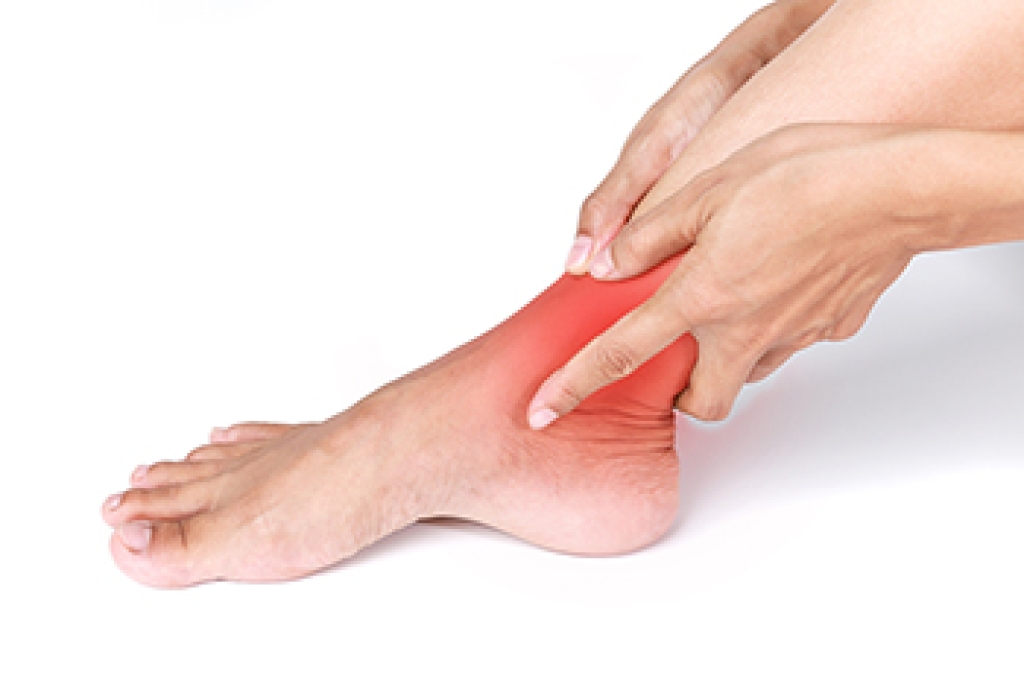
Rheumatoid arthritis, or RA, is a chronic autoimmune condition that can affect the joints in the feet, causing inflammation, pain, and stiffness. The immune system attacks joint tissues, leading to swelling, warmth, and decreased mobility. Symptoms in the feet may include difficulty walking, bunion formation, hammertoes, and joint deformities over time. Causes of RA involve genetic and environmental factors, while risk factors include family history, female gender, age, and smoking. Early diagnosis and management are crucial to prevent joint damage and maintain mobility. A podiatrist can evaluate foot health, provide custom orthotics, recommend supportive footwear, and suggest targeted therapies to reduce pain and inflammation. If you have symptoms of RA in your feet, it is suggested that you schedule a podiatry consultation to protect foot function and relieve discomfort.

Because RA affects more than just your joints, including the joints in your feet and ankles, it is important to seek early diagnosis from your podiatrist if you feel like the pain in your feet might be caused by RA. For more information, contact one of our podiatrists of Carolina Foot & Ankle Specialists. Our doctors will assist you with all of your podiatric concerns.

What Is Rheumatoid Arthritis?

Rheumatoid Arthritis (RA) is an autoimmune disorder in which the body’s own immune system attacks the membranes surrounding the joints. Inflammation of the lining and eventually the destruction of the joint’s cartilage and bone occur, causing severe pain and immobility.

Rheumatoid Arthritis of the Feet

Although RA usually attacks multiple bones and joints throughout the entire body, almost 90 percent of cases result in pain in the foot or ankle area.

Symptoms

  • Swelling and pain in the feet
  • Stiffness in the feet
  • Pain on the ball or sole of feet
  • Joint shift and deformation

Diagnosis

Quick diagnosis of RA in the feet is important so that the podiatrist can treat the area effectively. Your doctor will ask you about your medical history, occupation, and lifestyle to determine the origin of the condition. Rheumatoid Factor tests help to determine if someone is affected by the disease.

If you have any questions, please feel free to contact our offices located in Mount Pleasant and Charleston, SC . We offer the newest diagnostic and treatment technologies for all your foot care needs.

Read more about Rheumatoid Arthritis in the Feet

Understanding Clubfoot and Early Care Options

Clubfoot is a congenital foot condition in which a newborn foot appears twisted inward and downward due to abnormal development of muscles, tendons, and bones. Risk increases with family history, limited space in the womb, or certain neuromuscular conditions. Common signs include a visibly rotated foot, stiffness, and differences in calf muscle size as a child grows. Although clubfoot does not cause pain at birth, it can affect walking and long-term mobility if left untreated. A podiatrist plays an important role in early diagnosis and personalized treatment, which may include gentle stretching, casting, bracing, and ongoing monitoring to support healthy foot alignment and function. Early intervention leads to excellent outcomes and improved quality of life. If your child has been born with clubfoot, it is suggested that you include a podiatrist on your health care team to begin a confident path toward proper foot development.

Congenital foot problems require immediate attention to avoid future complications. If you have any concerns, contact one of our podiatrists of Carolina Foot & Ankle Specialists. Our doctors can provide the care you need to keep you pain-free and on your feet.

Congenital foot problems are deformities affecting the feet, toes, and/or ankles that children are born with. Some of these conditions have a genetic cause while others just happen. Some specific foot ailments that children may be born with include clubfeet, polydactyly/macrodactyly, and cleft foot. There are several other foot anomalies that can occur congenitally. What all of these conditions have in common is that a child may experience difficulty walking or performing everyday activities, as well as trouble finding footwear that fits their foot deformity. Some of these conditions are more serious than others. Consulting with a podiatrist as early as possible will help in properly diagnosing a child’s foot condition while getting the necessary treatment underway.

What are Causes of Congenital Foot Problem?

A congenital foot problem is one that happens to a child at birth. These conditions can be caused by a genetic predisposition, developmental or positional abnormalities during gestation, or with no known cause.

What are Symptoms of Congenital Foot Problems?

Symptoms vary by the congenital condition. Symptoms may consist of the following:

  • Clubfoot, where tendons are shortened, bones are shaped differently, and the Achilles tendon is tight, causing the foot to point in and down. It is also possible for the soles of the feet to face each other.
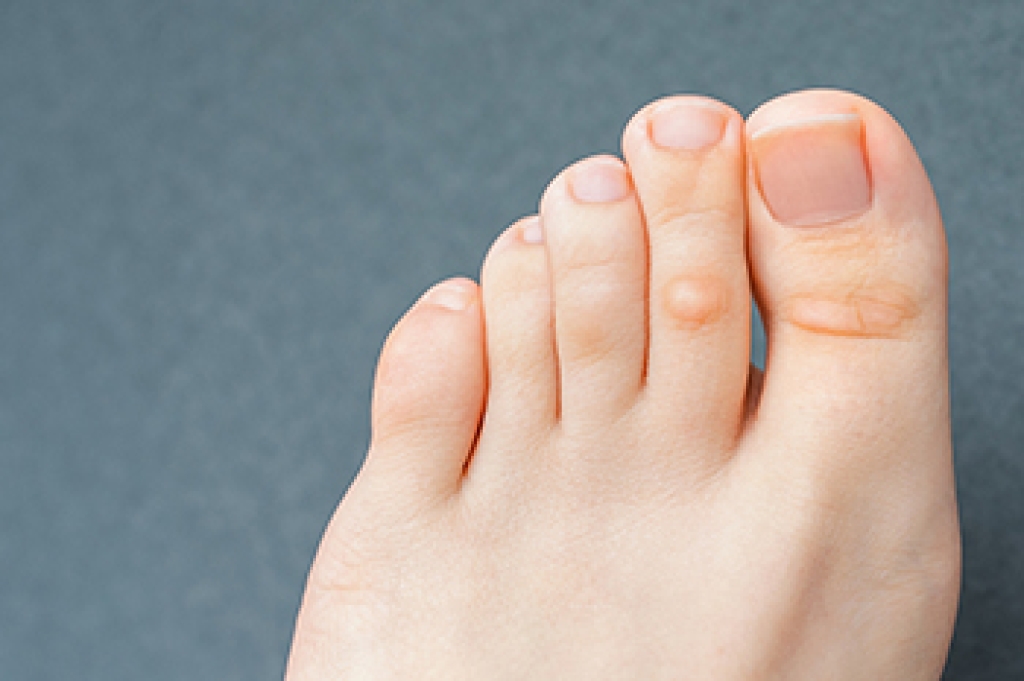
  • Polydactyly, which usually consists of a nubbin or small lump of tissue without a bone, a toe that is partially formed but has no joints, or an extra toe.
  • Vertical talus, where the talus bone forms in the wrong position causing other bones in the foot to line up improperly, the front of the foot to point up, and the bottom of the foot to stiffen, with no arch, and to curve out.
  • Tarsal coalition, when there is an abnormal connection of two or more bones in the foot leading to severe, rigid flatfoot.
  • Cleft foot, where there are missing toes, a V-shaped cleft, and other anatomical differences.
  • Macrodactyly, when the toes are abnormally large due to overgrowth of the underlying bone or soft tissue.

Treatment and Prevention

While there is nothing one can do to prevent congenital foot problems, raising awareness and receiving neonatal screenings are important. Early detection by taking your child to a podiatrist leads to the best outcome possible.

If you have any questions, please feel free to contact our offices located in Mount Pleasant and Charleston, SC . We offer the newest diagnostic and treatment technologies for all your foot care needs.
Read more about Congenital Foot Problems

My Teenager and Sever’s Disease

The age group of people who are typically affected by Sever’s disease is between ten and fourteen. It impacts the growth plate in the heel and can cause severe pain and discomfort. It can happen as a result of participating in running and jumping activities, which can exert excess pressure on the heel. It is beneficial to perform stretches that can loosen the Achilles tendon which is connected to the heel. Additionally, many patients wear specific types of footwear that can help in the healing process. If you notice your child is limping or complaining of heel pain, it is strongly suggested that you schedule an appointment with a podiatrist who can diagnose and treat Sever’s disease.

Sever's disease often occurs in children and teens. If your child is experiencing foot or ankle pain, see one of our podiatrists from Carolina Foot & Ankle Specialists. Our doctors can treat your child’s foot and ankle needs.

Sever’s Disease

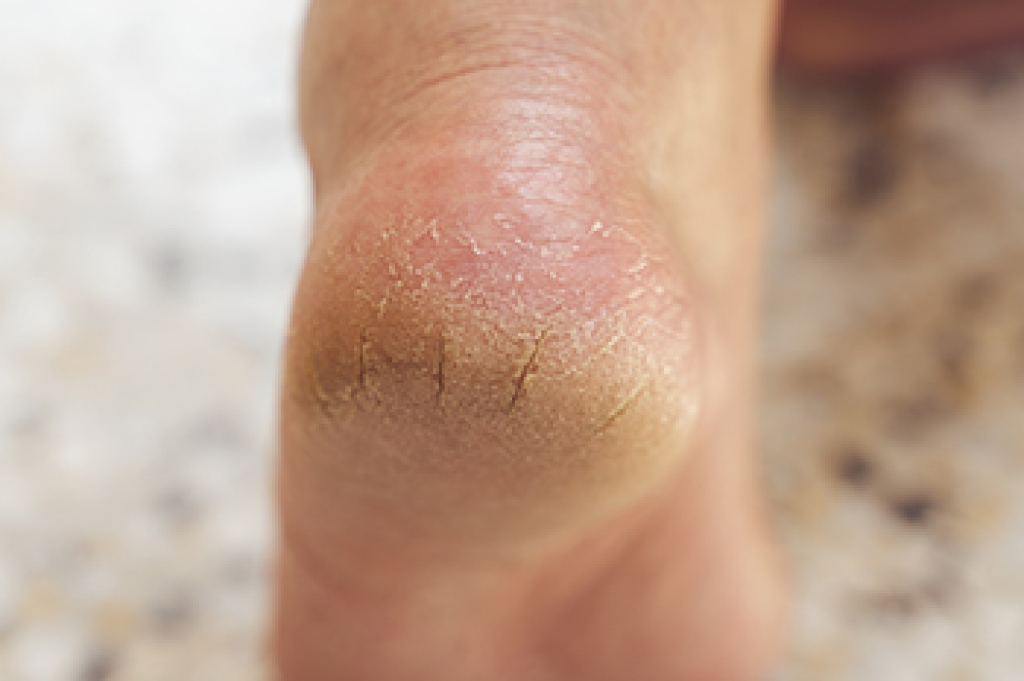
Sever’s disease is also known as calcaneal apophysitis, which is a medical condition that causes heel pain I none or both feet. The disease is known to affect children between the ages of 8 and 14.

Sever’s disease occurs when part of the child’s heel known as the growth plate (calcaneal epiphysis) is attached to the Achilles tendon. This area can suffer injury when the muscles and tendons of the growing foot do not keep pace with bone growth. Therefore, the constant pain which one experiences at the back of the heel will make the child unable to put any weight on the heel. The child is then forced to walk on their toes.

Symptoms

Acute pain – Pain associated with Sever’s disease is usually felt in the heel when the child engages in physical activity such as walking, jumping and or running.

Highly active – Children who are very active are among the most susceptible in experiencing Sever’s disease, because of the stress and tension placed on their feet.

If you have any questions, please feel free to contact our offices located in Mount Pleasant and Charleston, SC . We offer the newest diagnostic and treatment technologies for all your foot care needs.
Read more about Sever's Disease

Gout and How to Manage It

Gout is a painful form of inflammatory arthritis that occurs when uric acid crystals build up in a joint, most often the big toe. This condition can develop due to high uric acid levels, certain foods, dehydration, or underlying medical issues. Risk factors include family history, obesity, kidney disease, and diets high in red meat or alcohol. Symptoms often include sudden sharp pain, redness, swelling, and warmth in the affected joint. A podiatrist can diagnose gout, provide relief through targeted treatment, and recommend lifestyle changes to reduce flare ups. If your big toe and surrounding areas are causing you pain, it is suggested that you promptly consult a podiatrist who can accurately diagnose gout, and help you to manage this painful condition.

Gout is a foot condition that requires certain treatment and care. If you are seeking treatment, contact one of our podiatrists from Carolina Foot & Ankle Specialists. Our doctors will treat your foot and ankle needs.

What Is Gout?

Gout is a type of arthritis caused by a buildup of uric acid in the bloodstream. It often develops in the foot, especially the big toe area, although it can manifest in other parts of the body as well. Gout can make walking and standing very painful and is especially common in diabetics and the obese.

People typically get gout because of a poor diet. Genetic predisposition is also a factor. The children of parents who have had gout frequently have a chance of developing it themselves.

Gout can easily be identified by redness and inflammation of the big toe and the surrounding areas of the foot. Other symptoms include extreme fatigue, joint pain, and running high fevers. Sometimes corticosteroid drugs can be prescribed to treat gout, but the best way to combat this disease is to get more exercise and eat a better diet.

If you have any questions, please feel free to contact our offices located in Mount Pleasant and Charleston, SC . We offer the newest diagnostic and treatment technologies for all your foot care needs.

Read more about Everything You Need to Know About Gout

Let the Expert Treat Your Ingrown Toenails

Ingrown toenails can be painful and can make wearing shoes or walking uncomfortable. Seek professional help if you believe you've developed an ingrown toenail and be treated safely.