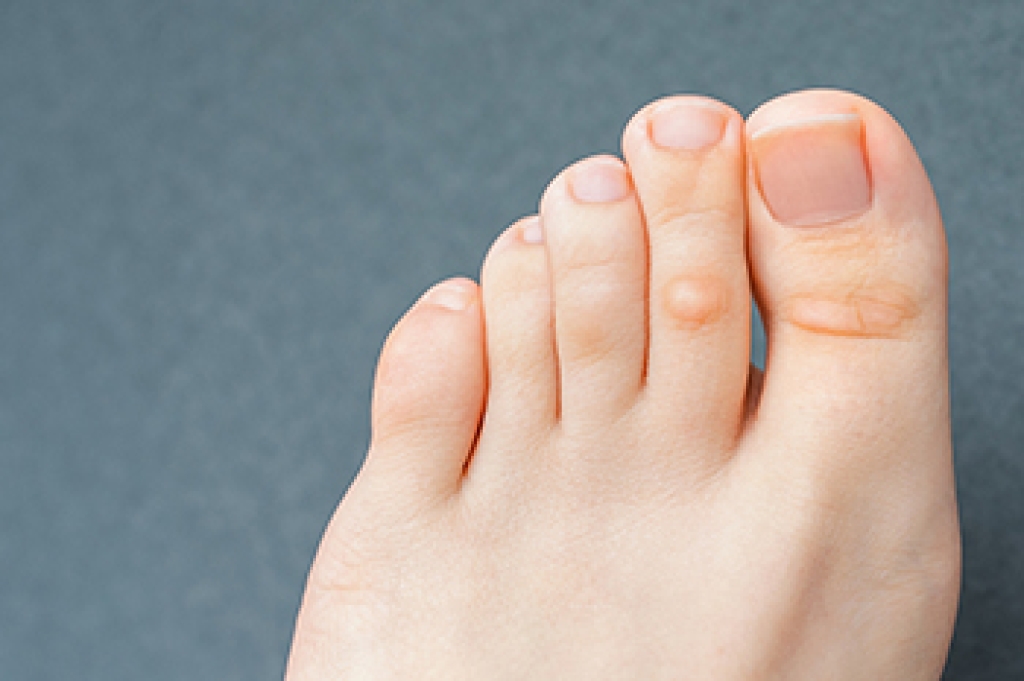
The Unwanted Guest on Your Toenail

If your toenails look discolored, thick, or crumbly, you may be hosting an unwelcome visitor, a fungal infection. Medically known as onychomycosis, this common condition starts small but can grow into a significant issue, causing embarrassment and discomfort. Fungi love to hide in warm, moist places like the inside of your shoes and socks. Once the infection takes hold, it slowly spreads beneath the nail, making it brittle and often giving it a cloudy yellow or white appearance. This is not simply a cosmetic concern. Untreated fungus can cause pain and sometimes lead to secondary bacterial infections. Many over-the-counter remedies fail to reach the fungus deep within the nail. For an accurate diagnosis and effective treatment options, including oral medication, or prescription topicals, it is suggested that you visit a podiatrist for proper treatment.

For more information about treatment, contact one of our podiatrists of Carolina Foot & Ankle Specialists. Our doctors can provide the care you need to keep you pain-free and on your feet.

Toenail Fungus Treatment

Toenail fungus is a condition that affects many people and can be especially hard to get rid of. Fortunately, there are several methods to go about treating and avoiding it.

Antifungals & Deterrence

Oral antifungal medicine has been shown to be effective in many cases. It is important to consult with a podiatrist to determine the proper regiment for you, or potentially explore other options.

Applying foot powder on the feet and shoes helps keep the feet free of moisture and sweat.

Sandals or open toed shoes – Wearing these will allow air movement and help keep feet dry. They also expose your feet to light, which fungus cannot tolerate. Socks with moisture wicking material also help as well.

If you have any questions please contact our offices located in Mount Pleasant and Charleston, SC . We offer the newest diagnostic and treatment technologies for all your foot and ankle needs.

Read more about Toenail Fungus

Yoga Poses to Prevent Aching Feet and Improve Foot Health

Practicing yoga can help prevent aching feet by stretching, strengthening, and improving circulation in the lower extremities. Hero’s pose stretches the arches and ankles, relieving tension from prolonged standing or walking. Finger threading involves interlacing toes to increase flexibility and mobility in the toes and forefoot. Downward dog elongates the calves and plantar fascia, reducing strain on the heels and arches. The squat position strengthens the muscles supporting the arches and improves balance. Additionally, toe balance exercises focus on lifting and spreading toes to enhance stability and prevent cramping. A podiatrist can provide guidance on proper technique, recommend additional stretches, and assess foot structure to prevent pain. If you have foot pain, it is suggested that you consult a podiatrist who can guide you on relief tips, which may include additional yoga poses. 

Why Stretching Is Important for Your Feet

Stretching the feet is a great way to prevent injuries. If you have any concerns with your feet consult with one of our podiatrists from Carolina Foot & Ankle Specialists. Our doctors will assess your condition and provide you with quality foot and ankle treatment.

Stretching the Feet

Stretching the muscles in the foot is an important part in any physical activity. Feet that are tight can lead to less flexibility and make you more prone to injury. One of the most common forms of foot pain, plantar fasciitis, can be stretched out to help ease the pain. Stretching can not only ease pain from plantar fasciitis but also prevent it as well. However, it is important to see a podiatrist first to determine if stretching is right for you. Podiatrists can also recommend other ways to stretch your feet. Once you know whether stretching is right for you, here are some excellent stretches you can do.

  • Using a foam roller or any cylindrical object (a water bottle or soda can will do), roll the object under your foot back and forth. You should also exert pressure on the object. Be sure to do this to both feet for a minute. Do this exercise three times each.
  • Similar to the previous exercise, take a ball, such as a tennis ball, and roll it under your foot while seated and exert pressure on it.
  • Grab a resistance band or towel and take a seat. If you are using a towel, fold it length wise. Next put either one between the ball of your foot and heel and pull with both hands on each side towards you. Hold this for 15 seconds and then switch feet. Do this three times for each foot.
  • Finally hold your big toe while crossing one leg over the other. Pull the toe towards you and hold for 15 seconds. Once again do this three times per foot.

It is best to go easy when first stretching your foot and work your way up. If your foot starts hurting, stop exercising to ice and rest the foot. It is advised that you then see a podiatrist for help.

If you have any questions please contact our offices located in Mount Pleasant and Charleston, SC . We offer the newest diagnostic and treatment technologies for all your foot and ankle needs.

Read more about Stretching Your Feet

The Many Causes of Heel Pain

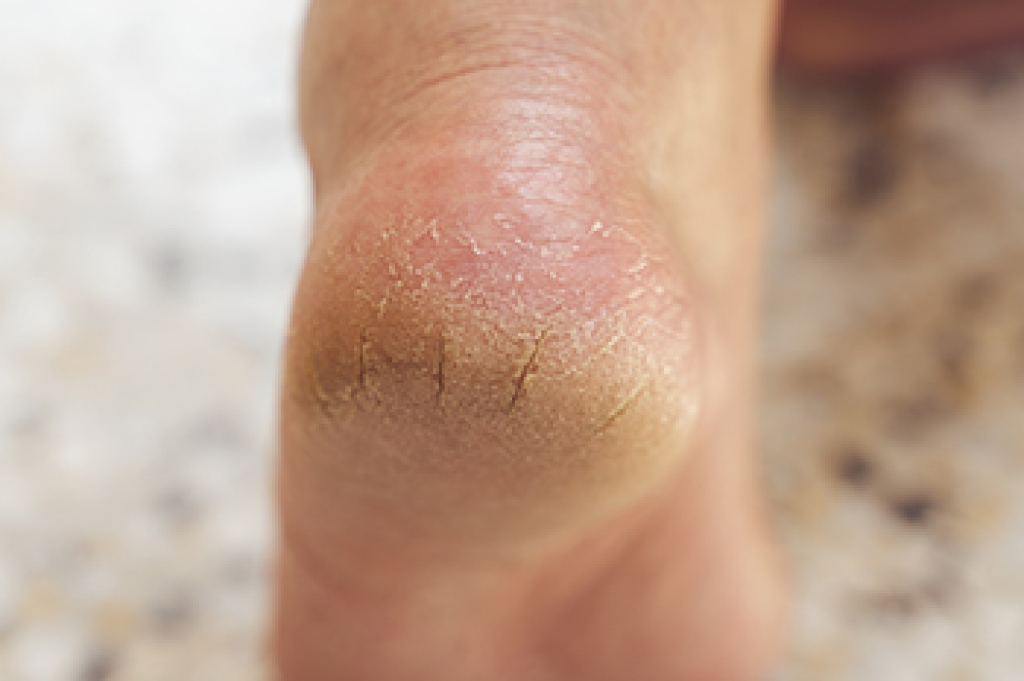
Heel pain is a frequent concern that can have several different sources. Plantar fasciitis is one of the most common, creating sharp discomfort in the bottom of the heel, especially with the first steps in the morning. Heel spurs may also be involved, as bony growths that develop along the heel bone can irritate nearby tissue. Pain at the back of the heel may signal Achilles tendonitis, often caused by tight calf muscles or repetitive strain. Less frequent, but possible, causes include stress fractures, nerve irritation, or bursitis. Footwear that lacks support, extra body weight, and high impact activity can increase the likelihood of these issues. Since treatment depends on the exact cause, professional evaluation is important. If heel pain is interfering with your daily life, it is suggested that you schedule a visit with a podiatrist for a proper diagnosis and appropriate care.

Many people suffer from bouts of heel pain. For more information, contact one of our podiatrists of Carolina Foot & Ankle Specialists. Our doctors can provide the care you need to keep you pain-free and on your feet.

Causes of Heel Pain

Heel pain is often associated with plantar fasciitis. The plantar fascia is a band of tissues that extends along the bottom of the foot. A rip or tear in this ligament can cause inflammation of the tissue.

Achilles tendonitis is another cause of heel pain. Inflammation of the Achilles tendon will cause pain from fractures and muscle tearing. Lack of flexibility is also another symptom.

Heel spurs are another cause of pain. When the tissues of the plantar fascia undergo a great deal of stress, it can lead to ligament separation from the heel bone, causing heel spurs.

Why Might Heel Pain Occur?

  • Wearing ill-fitting shoes                
  • Wearing non-supportive shoes
  • Weight change           
  • Excessive running

Treatments

Heel pain should be treated as soon as possible for immediate results. Keeping your feet in a stress-free environment will help. If you suffer from Achilles tendonitis or plantar fasciitis, applying ice will reduce the swelling. Stretching before an exercise like running will help the muscles. Using all these tips will help make heel pain a condition of the past.

If you have any questions, please feel free to contact our offices located in Mount Pleasant and Charleston, SC . We offer the newest diagnostic and treatment technologies for all your foot care needs.

Read more about Heel Pain

Dealing With Bunions

Bunions are bony bumps that form at the base of the big toe, as the top of the toe angles inward. Women tend to suffer from bunions more than men. Bunions often result from genetics, poor-fitting shoes, flat feet, or arthritis. Symptoms include pain, swelling, and difficulty wearing shoes. The area may feel tender or stiff, and walking can become increasingly uncomfortable. Bunions can worsen over time if left untreated. A podiatrist can evaluate the condition through a physical examination and imaging, such as X-rays. Conservative treatment includes padding, orthotics, shoe modifications, and anti-inflammatory medications. If you are dealing with a painful bunion, it is suggested that you make an appointment with a podiatrist to receive an accurate diagnosis and explore the best treatment options tailored to your needs.

If you are suffering from bunion pain, contact one of our podiatrists of Carolina Foot & Ankle Specialists. Our doctors can provide the care you need to keep you pain-free and on your feet.

What Is a Bunion?

Bunions are painful bony bumps that usually develop on the inside of the foot at the joint of the big toe. As the deformity increases over time, it may become painful to walk and wear shoes. Women are more likely to exacerbate existing bunions since they often wear tight, narrow shoes that shift their toes together. Bunion pain can be relieved by wearing wider shoes with enough room for the toes.

Causes

  • Genetics – some people inherit feet that are more prone to bunion development
  • Inflammatory Conditions - rheumatoid arthritis and polio may cause bunion development

Symptoms

  • Redness and inflammation
  • Pain and tenderness
  • Callus or corns on the bump
  • Restricted motion in the big toe

In order to diagnose your bunion, your podiatrist may ask about your medical history, symptoms, and general health. Your doctor might also order an x-ray to take a closer look at your feet. Nonsurgical treatment options include orthotics, padding, icing, changes in footwear, and medication. If nonsurgical treatments don’t alleviate your bunion pain, surgery may be necessary.

If you have any questions, please feel free to contact our offices located in Mount Pleasant and Charleston, SC . We offer the newest diagnostic and treatment technologies for all your foot care needs.
Read more about Bunions