
Choosing Shoes for Healthy Running

Running shoes do more than provide comfort during a workout. They are designed to handle the repeated impact that occurs when running on hard surfaces such as pavement. Road running shoes often include cushioning in the heel and forefoot to absorb shock and reduce stress on the feet and joints. Support is another important feature, because runners have different foot types and movement patterns. Some shoes are designed to provide added stability when the foot rolls inward during running, a movement known as pronation. Choosing appropriate running footwear can support comfortable movement and help reduce the risk of overuse injuries.


A good running shoe should balance cushioning, support, and flexibility. Breathable materials can help keep the feet comfortable, while durable outsoles provide traction on paved surfaces. Fit is also important for foot health. The toe box should provide enough space for the toes to move without allowing the entire foot to slide inside the shoe. The heel should remain secure without uncomfortable slipping. Runners should also consider their foot shape and pronation when selecting footwear. Since different runners have different needs, the amount of cushioning or support that feels comfortable can vary from person to person.


A podiatrist can evaluate a runner’s foot structure and movement to help identify factors that may influence footwear needs. This can be especially helpful for those who experience recurring foot pain or have difficulty finding comfortable running shoes. A podiatrist can assess foot type and pronation while examining whether pain may be related to running mechanics. Podiatric evaluation can also help determine whether a running-related foot problem requires treatment rather than simply a change in footwear. Selecting shoes that match the runner’s individual needs can support comfort and healthy movement during training. If running regularly causes foot or ankle pain or makes choosing appropriate footwear difficult, it is suggested that you consult a podiatrist for an evaluation and personalized recommendations.

For more information about walking shoes versus running shoes, consult with one of our podiatrists from Carolina Foot & Ankle Specialists. Our doctors can measure your feet to determine what your needs are and help you find an appropriate pair of footwear.

Foot Health: The Differences between Walking & Running Shoes

There are great ways to stay in shape: running and walking are two great exercises to a healthy lifestyle. It is important to know that running shoes and walking shoes are not interchangeable. There is a key difference on how the feet hit the ground when someone is running or walking. This is why one should be aware that a shoe is designed differently for each activity.

You may be asking yourself what the real differences are between walking and running shoes and the answers may shock you.

Differences

Walking doesn’t involve as much stress or impact on the feet as running does. However, this doesn’t mean that you should be any less prepared. When you’re walking, you land on your heels and have your foot roll forward. This rolling motion requires additional support to the feet.

Flexibility – Walking shoes are designed to have soft, flexible soles. This allows the walker to push off easily with each step.

If you have any questions, please feel free to contact our offices located in Mount Pleasant and Charleston, SC . We offer the newest diagnostic and treatment technologies for all your foot care needs.
Read more about Walking Shoes vs. Running Shoes

How Pronation Affects Foot Health

Pronation describes the inward roll of the foot after the heel touches the ground. This movement helps the foot absorb shock and adjust to the surface while walking or running. A small amount of pronation is a normal part of a step. Overpronation occurs when the foot rolls too far inward, which can cause the arch to flatten. It can affect how weight moves through the foot. People with flat feet are more likely to overpronate.

Signs of overpronation can appear in the feet, shoes, or legs. The arch may drop inward when standing, and the inner edges of the shoes may wear down faster. Some patients develop heel pain, arch discomfort, or repeated ankle problems. Extra strain can also reach the knees, hips, and lower back. These symptoms do not always prove that overpronation is the cause. Other foot problems can produce similar pain. A podiatrist can study the position of the feet and watch how they move. This gait evaluation, which is an assessment of walking patterns, helps identify abnormal motion and areas of excess pressure.

Treatment depends on the patient's foot structure, symptoms, and activity level. A podiatrist can recommend shoes with the right amount of support and cushioning. Custom orthotics can also be prescribed to guide foot motion and spread pressure more evenly. These devices are made to match the patient's feet and specific walking pattern. The podiatrist can also evaluate related problems, like plantar fasciitis, tendon strain, or ankle instability. Imaging tests can help rule out bone or joint damage when the examination raises concern. Regular follow-up visits allow the podiatrist to check whether treatment is improving comfort and movement. Surgery is rarely considered and is generally reserved for severe structural problems that do not improve with other care. If you have foot pain after exercise, it is suggested that you schedule an appointment with a podiatrist for a diagnosis and appropriate treatment.

If you have any concerns about your feet, contact one of our podiatrists from Carolina Foot & Ankle Specialists. Our doctors can provide the care you need to keep you pain-free and on your feet.

Biomechanics in Podiatry

Podiatric biomechanics is a particular sector of specialty podiatry with licensed practitioners who are trained to diagnose and treat conditions affecting the foot, ankle and lower leg. Biomechanics deals with the forces that act against the body, causing an interference with the biological structures. It focuses on the movement of the ankle, the foot and the forces that interact with them.

A History of Biomechanics

  • Biomechanics dates back to the BC era in Egypt where evidence of professional foot care has been recorded.
  • In 1974, biomechanics gained a higher profile from the studies of Merton Root, who claimed that by changing or controlling the forces between the ankle and the foot, corrections or conditions could be implemented to gain strength and coordination in the area.

Modern technological improvements are based on past theories and therapeutic processes that provide a better understanding of podiatric concepts for biomechanics. Computers can provide accurate information about the forces and patterns of the feet and lower legs.

Understanding biomechanics of the feet can help improve and eliminate pain, stopping further stress to the foot.

If you have any questions please feel free to contact our offices located in Mount Pleasant and Charleston, SC . We offer the newest diagnostic and treatment technologies for all your foot and ankle needs.

Read more about Biomechanics in Podiatry

Gout Pain Can Be Managed

Gout is a painful, inflammatory form of arthritis. Those affected will typically feel an intense stiffness in the joints of their feet, particularly in the big toe. Schedule a visit to learn about how gout can be managed and treated.

Cuboid Syndrome and Pain Along the Outer Foot

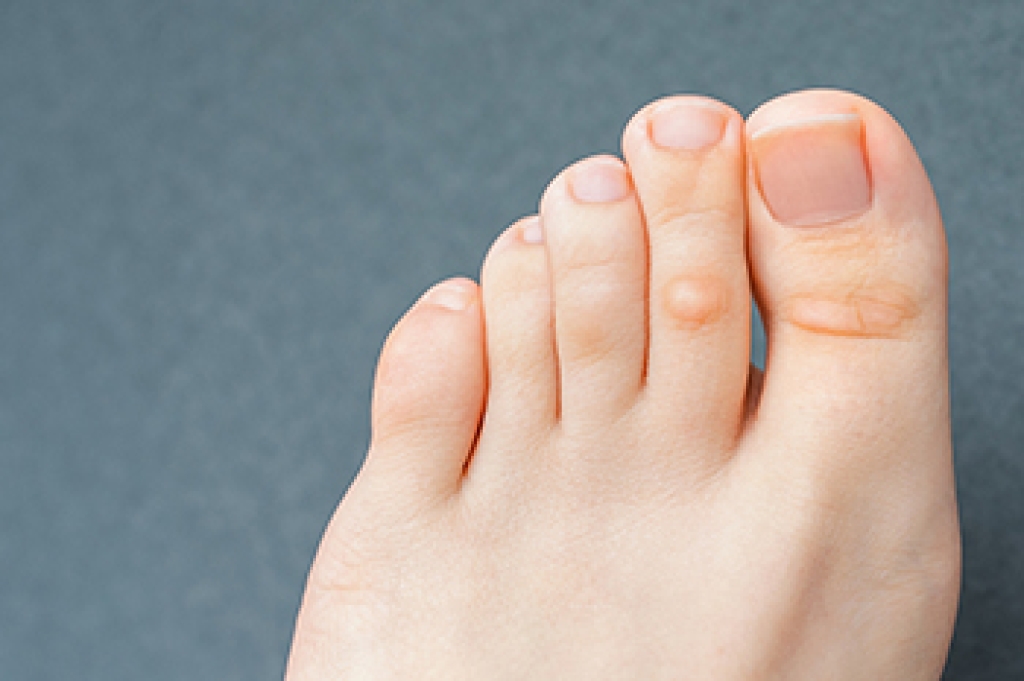
Cuboid syndrome is a possible cause of pain along the outer side of the foot. The cuboid is a small bone located in the middle and outer portion of the foot. It works with nearby joints and tissues to support movement and stability. Cuboid syndrome may occur when this bone and its surrounding joint do not move normally. It can develop after an ankle sprain or from repeated stress placed on the foot. Athletes may be especially affected because running and jumping can place repeated forces on this area. Pain can sometimes be difficult to identify because cuboid syndrome may resemble other causes of lateral foot pain.


Symptoms often include aching or tenderness along the outside of the midfoot. Pain may become more noticeable while standing, walking, or pushing off the foot. Some people develop swelling or experience discomfort that extends toward nearby areas. The condition may also change the way a person walks because placing normal pressure on the foot becomes painful. Cuboid syndrome can occur after an ankle injury, even when the original ankle symptoms begin to improve. There is no single test that confirms every case, so a careful examination is important. Other problems, including fractures and tendon injuries, may need to be ruled out before treatment begins.


A podiatrist can evaluate lateral foot pain and determine whether cuboid syndrome or another condition may be responsible. The examination may include checking foot movement, areas of tenderness, and walking patterns. Imaging may be used when another injury needs to be ruled out. If cuboid syndrome is diagnosed, podiatric treatment can focus on restoring comfortable joint function and addressing factors that place added stress on the foot. Treatment is based on the patient’s symptoms and the cause of the problem. If persistent outer foot pain or difficulty walking is affecting your mobility, it is suggested that you consult a podiatrist for an evaluation and appropriate treatment options.

Cuboid syndrome, also known as cuboid subluxation, occurs when the joints and ligaments near the cuboid bone in the foot become torn. If you have cuboid syndrome, consult with one of our podiatrists from Carolina Foot & Ankle Specialists. Our doctors will assess your condition and provide you with quality foot and ankle treatment.

Cuboid syndrome is a common cause of lateral foot pain, which is pain on the outside of the foot. The condition may happen suddenly due to an ankle sprain, or it may develop slowly overtime from repetitive tension through the bone and surrounding structures.

Causes

The most common causes of cuboid syndrome include:

  • Injury – The most common cause of this ailment is an ankle sprain.
  • Repetitive Strain – Tension placed through the peroneus longus muscle from repetitive activities such as jumping and running may cause excessive traction on the bone causing it to sublux.
  • Altered Foot Biomechanics – Most people suffering from cuboid subluxation have flat feet.

Symptoms

A common symptom of cuboid syndrome is pain along the outside of the foot which can be felt in the ankle and toes. This pain may create walking difficulties and may cause those with the condition to walk with a limp.

Diagnosis

Diagnosis of cuboid syndrome is often difficult, and it is often misdiagnosed. X-rays, MRIs and CT scans often fail to properly show the cuboid subluxation. Although there isn’t a specific test used to diagnose cuboid syndrome, your podiatrist will usually check if pain is felt while pressing firmly on the cuboid bone of your foot.

Treatment

Just as the range of causes varies widely, so do treatments. Some more common treatments are ice therapy, rest, exercise, taping, and orthotics.

If you have any questions, please feel free to contact our offices located in Mount Pleasant and Charleston, SC . We offer the newest diagnostic and treatment technologies for all your foot care needs.
Read more about All About Cuboid Syndrome

Common Foot Problems in Older Adults

Foot problems in older adults are common due to natural aging changes, reduced circulation, and long-term wear on joints and soft tissues. These conditions can affect mobility, balance, and overall independence. Arthritis is one of the most frequent concerns, and is defined as inflammation within the joints that leads to pain and stiffness. Bunions are structural deformities where the big toe shifts toward the second toe, creating a bony bump at the base. Hammertoes occur when the smaller toes bend abnormally at the joints. Diabetes-related foot complications involve nerve damage and poor circulation that increase the risk of wounds and infection.

Symptoms vary depending on the condition, but often include pain, swelling, stiffness, and visible changes in foot shape. Individuals with arthritis may notice joint tenderness and limited motion. Bunions can cause redness and irritation, especially when wearing tight shoes. Hammertoes may lead to corns and pressure points. Diabetes-related conditions can present with numbness, tingling, or slow-healing wounds. These symptoms can worsen without proper care and lead to reduced mobility.


Risk factors for these foot problems include advancing age, decreased bone density, and long-term joint stress. Wearing poor footwear, lack of physical activity, and chronic medical conditions such as diabetes can also contribute. Circulatory issues and nerve damage can further increase complications, especially in individuals with diabetes. Over time, these factors place added strain on the feet and increase the likelihood of deformity and injury.


Managing foot health in older adults involves early detection and proper support. Wearing well-fitted shoes with adequate cushioning can reduce pressure and improve comfort. Regular foot checks are important for identifying changes before they become severe. Treatment may include orthotics, activity modification, and medical care. If you have foot problems related to age, it is suggested that you consult a podiatrist for effective relief, treatment, and management solutions.

Proper foot care is something many older adults forget to consider. If you have any concerns about your feet and ankles, contact one of our podiatrists from Carolina Foot & Ankle Specialists. Our doctors can provide the care you need to keep you pain-free and on your feet.

The Elderly and Their Feet

As we age we start to notice many changes in our body, but the elder population may not notice them right away. Medical conditions may prevent the elderly to take notice of their foot health right away. Poor vision is a lead contributor to not taking action for the elderly.

Common Conditions 

  • Neuropathy – can reduce feeling in the feet and can hide many life-threatening medical conditions.
  • Reduced flexibility – prevents the ability of proper toenail trimming, and foot cleaning. If left untreated, it may lead to further medical issues.
  • Foot sores – amongst the older population can be serious before they are discovered. Some of the problematic conditions they may face are:
  • Gouging toenails affecting nearby toe
  • Shoes that don’t fit properly
  • Pressure sores
  • Loss of circulation in legs & feet
  • Edema & swelling of feet and ankles

Susceptible Infections

Diabetes and poor circulation can cause general loss of sensitivity over the years, turning a simple cut into a serious issue.

If you have any questions, please feel free to contact our offices located in Mount Pleasant and Charleston, SC . We offer the newest diagnostic and treatment technologies for all your foot care needs.
Read more about Elderly Foot Care