When Foot Pain Signals a Bigger Problem

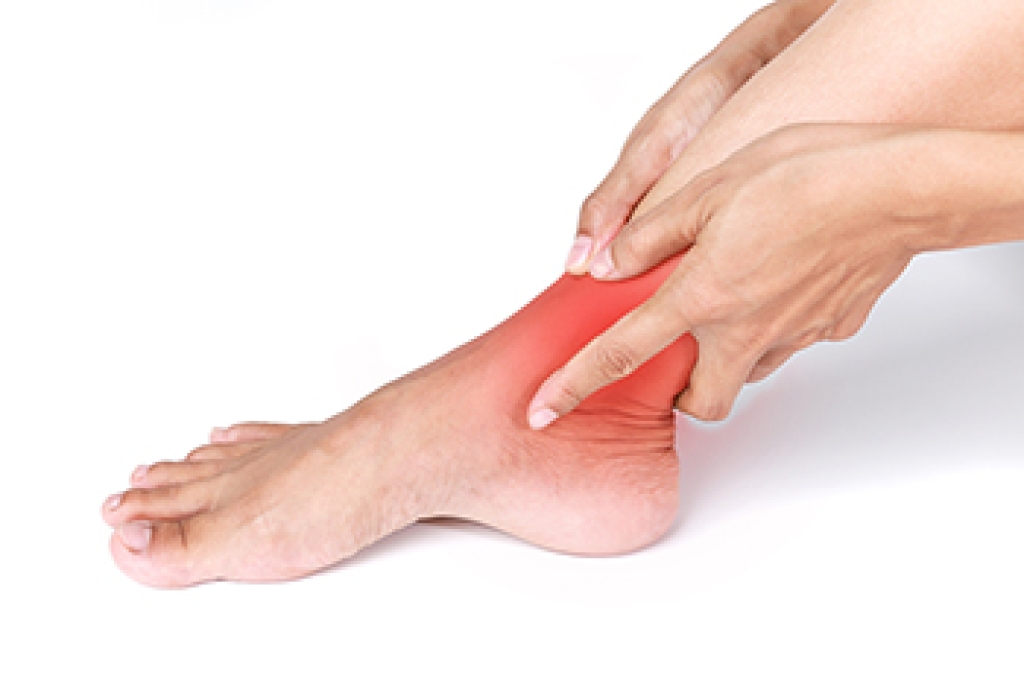
Foot pain can affect people of all ages and make everyday activities more difficult. Because the feet support the body's weight and absorb impact with every step, discomfort can interfere with walking, working, and exercise. Foot pain may develop suddenly after an injury or gradually. Common causes include arthritis, nerve problems, and overuse injuries. Some people experience aching, burning, or sharp pain. Others notice swelling, stiffness, or tenderness that limits normal movement. The location of the pain may vary depending on the underlying condition, making a professional evaluation important for identifying the cause and recommending the most appropriate treatment.


The feet contain many bones, joints, and muscles that work together to provide stability and movement. When one structure is injured or not functioning properly, it can affect the way the entire foot moves. Ongoing foot pain may cause a person to change the way they walk, placing additional stress on the ankles, knees, and hips. This altered movement may also contribute to discomfort in the lower back. A thorough examination helps determine whether symptoms are related to inflammation, joint dysfunction, or another underlying condition. Early diagnosis allows treatment to begin before the problem worsens and affects long-term mobility.


A podiatrist is specially trained to diagnose and treat conditions that affect the feet and ankles. During an evaluation, the podiatrist examines foot structure, walking patterns, and joint function to identify the source of the pain. Treatment is personalized and focuses on improving mobility, relieving discomfort, and restoring healthy foot function. Early podiatry care may also help prevent additional strain on nearby joints and reduce the risk of future complications. If foot pain is limiting your daily activities or making it uncomfortable to walk, it is suggested that you consult a podiatrist for an evaluation and appropriate treatment options.

Foot Pain

Foot pain can be extremely painful and debilitating. If you have a foot pain, consult with one of our podiatrists from Carolina Foot & Ankle Specialists. Our doctors will assess your condition and provide you with quality foot and ankle treatment.

Causes

Foot pain is a very broad condition that could be caused by one or more ailments. The most common include:

  • Bunions
  • Hammertoes
  • Plantar Fasciitis
  • Bone Spurs
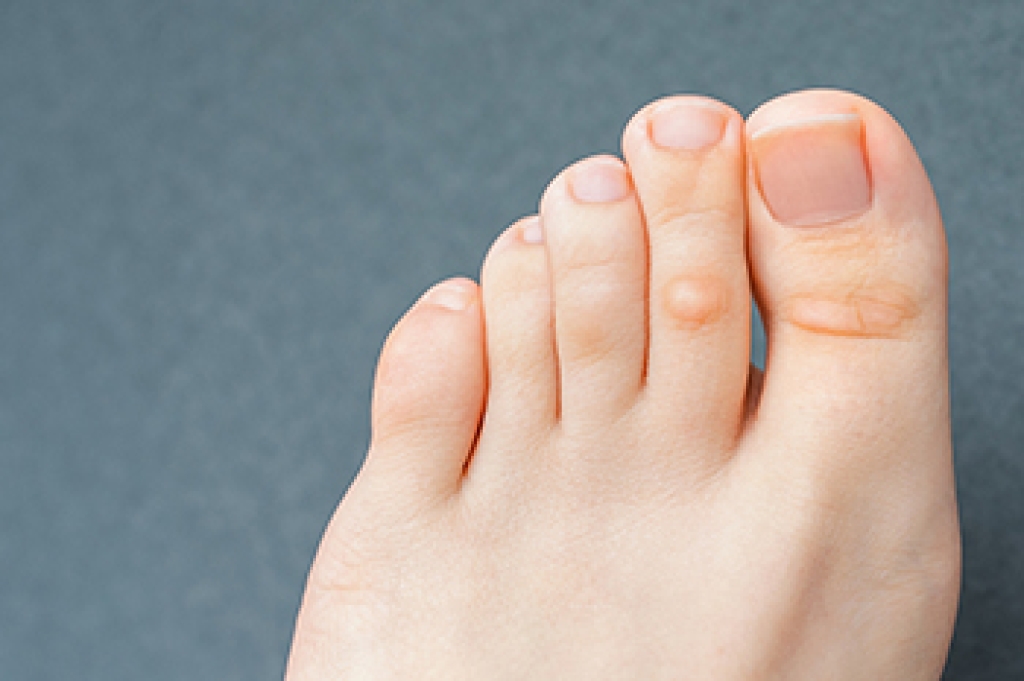
  • Corns
  • Tarsal Tunnel Syndrome
  • Ingrown Toenails
  • Arthritis (such as Gout, Rheumatoid, and Osteoarthritis)
  • Flat Feet
  • Injury (from stress fractures, broken toe, foot, ankle, Achilles tendon ruptures, and sprains)
  • And more

Diagnosis

To figure out the cause of foot pain, podiatrists utilize several different methods. This can range from simple visual inspections and sensation tests to X-rays and MRI scans. Prior medical history, family medical history, and any recent physical traumatic events will all be taken into consideration for a proper diagnosis.

Treatment

Treatment depends upon the cause of the foot pain. Whether it is resting, staying off the foot, or having surgery; podiatrists have a number of treatment options available for foot pain.

If you have any questions, please feel free to contact our offices located in Mount Pleasant and Charleston, SC . We offer the newest diagnostic and treatment technologies for all your foot care needs.

Read more about Foot Pain

Bunions and Effective Ways to Manage Foot Alignment

A bunion is a structural foot condition that develops as a bony bump at the base of the big toe. It forms when the top of the toe shifts out of alignment, causing it to lean toward the others. This misalignment places pressure on the joint and surrounding tissues, often leading to discomfort over time. Bunions are a progressive condition, meaning they can worsen without proper care. They are more commonly seen in women, largely due to footwear choices and anatomical differences in foot structure.


Pain from a bunion often begins with visible swelling at the base of the big toe. The area may appear red, inflamed, and tender to the touch. Many individuals experience pain when walking or wearing shoes, especially styles that compress the toes. As the condition progresses, stiffness and limited movement in the joint may develop. Some individuals also notice thickened skin or callus formation due to repeated friction against footwear.


Several causes contribute to bunion development. Wearing high-heeled shoes or tight-fitting footwear places excessive pressure on the front of the foot and forces the toes into an unnatural position. Genetics also play a significant role, as inherited foot structure can increase the likelihood of joint misalignment. Hormonal changes during pregnancy or menopause may further weaken supportive tissues, allowing the condition to progress. Over time, these combined factors can lead to persistent discomfort and structural changes in the foot.


Risk factors include prolonged use of narrow shoes, family history of bunions, occupations that require extended standing, and underlying foot mechanics. Women are at higher risk due to footwear habits and ligament flexibility. Managing bunions involves wearing supportive shoes, reducing pressure on the joint, and maintaining proper foot alignment. Early care can help slow progression and improve comfort. If you have a painful or uncomfortable bunion, it is suggested that you consult a podiatrist for effective relief and management solutions.

If you are suffering from bunion pain, contact one of our podiatrists of Carolina Foot & Ankle Specialists. Our doctors can provide the care you need to keep you pain-free and on your feet.

What Is a Bunion?

Bunions are painful bony bumps that usually develop on the inside of the foot at the joint of the big toe. As the deformity increases over time, it may become painful to walk and wear shoes. Women are more likely to exacerbate existing bunions since they often wear tight, narrow shoes that shift their toes together. Bunion pain can be relieved by wearing wider shoes with enough room for the toes.

Causes

  • Genetics – some people inherit feet that are more prone to bunion development
  • Inflammatory Conditions - rheumatoid arthritis and polio may cause bunion development

Symptoms

  • Redness and inflammation
  • Pain and tenderness
  • Callus or corns on the bump
  • Restricted motion in the big toe

In order to diagnose your bunion, your podiatrist may ask about your medical history, symptoms, and general health. Your doctor might also order an x-ray to take a closer look at your feet. Nonsurgical treatment options include orthotics, padding, icing, changes in footwear, and medication. If nonsurgical treatments don’t alleviate your bunion pain, surgery may be necessary.

If you have any questions, please feel free to contact our offices located in Mount Pleasant and Charleston, SC . We offer the newest diagnostic and treatment technologies for all your foot care needs.

Read more about What Are Bunions?

Causes of Toenail Discoloration and When Fungus Is to Blame

Toenail discoloration is a common concern that often signals an underlying issue within the nail unit. While trauma and pressure from footwear can alter nail color, fungal infection remains one of the most frequent causes. Toenail fungus occurs when microscopic fungi enter through small cracks in the nail or surrounding skin. Clinical observations show that nearly 50 percent of discolored toenails are linked to fungal involvement, making it a leading explanation for persistent nail changes.

The symptoms of toenail fungus extend beyond simple color changes. Early signs may include faint white streaks or patches on the nail surface. As the infection progresses, the nail can turn yellow or brown and may develop a thickened and uneven texture. Some patients report a foul odor or debris buildup beneath the nail. In severe cases, the nail may detach partially from the nail bed, leading to discomfort during daily activities.


Risk factors for developing fungal nail infections are often related to lifestyle and overall health. People who wear tight-fitting shoes or sweat excessively are more prone to fungal growth due to trapped moisture. Aging is another factor, as slower nail growth and reduced circulation increase susceptibility. Individuals with chronic conditions, such as diabetes or compromised immunity, face a higher risk. Repeated exposure to damp communal areas also raises the likelihood of infection.


Fungal organisms thrive in dark and humid conditions, which makes the feet an ideal environment if not properly cared for. Early recognition and targeted treatment can prevent the infection from worsening or spreading to other nails. Maintaining proper hygiene and monitoring nail changes are essential steps in prevention. If you have symptoms of toenail fungus, it is suggested that you visit a podiatrist for an evaluation and guidance on effective treatment options, which may include prescribed medication.

For more information about treatment, contact one of our podiatrists of Carolina Foot & Ankle Specialists. Our doctors can provide the care you need to keep you pain-free and on your feet.

Toenail Fungus Treatment

Toenail fungus is a condition that affects many people and can be especially hard to get rid of. Fortunately, there are several methods to go about treating and avoiding it.

Antifungals & Deterrence

Oral antifungal medicine has been shown to be effective in many cases. It is important to consult with a podiatrist to determine the proper regiment for you, or potentially explore other options.

Applying foot powder on the feet and shoes helps keep the feet free of moisture and sweat.

Sandals or open toed shoes – Wearing these will allow air movement and help keep feet dry. They also expose your feet to light, which fungus cannot tolerate. Socks with moisture wicking material also help as well.

If you have any questions please contact our offices located in Mount Pleasant and Charleston, SC . We offer the newest diagnostic and treatment technologies for all your foot and ankle needs.

Read more about How to Treat Your Toenail Fungus

Are You Suffering From Ingrown Toenails?

If left untreated, an ingrown toenail can lead to more serious concerns, such as an infection. Knowing proper nail care can help in the prevention of an ingrown toenail. Give us a call, and get treated!

The Importance of Foot Care for Aging Feet

Proper foot care becomes increasingly important with age. It can help older adults stay active, comfortable, and independent. Regular attention to foot health can prevent problems like corns, bunions, thickened toenails, and other painful conditions that may make walking difficult. Healthy feet also contribute to better balance and stability, which can help reduce the risk of falls and serious injuries. Addressing foot pain and other concerns early can improve mobility and allow seniors to participate more comfortably in daily activities. Age-related changes, chronic health conditions, and reduced flexibility can make it harder for older adults to care for their feet. This increases the need for professional evaluation and treatment. A podiatrist can provide routine foot exams, treat painful skin and nail conditions, and monitor circulation and nerve health. This foot doctor can recommend proper footwear to support safe movement. They can also help manage foot problems related to arthritis, diabetes, and other medical conditions. If you are experiencing foot discomfort or have mobility issues, it is suggested that you schedule an appointment with a podiatrist for an evaluation.

If you need your feet checked, contact one of our podiatrists of Carolina Foot & Ankle Specialists. Our doctors will attend to all of your foot and ankle needs and provide you with quality treatment.

Geriatrics and Podiatry
When people age, some common issues that may occur are bone density loss, dry skin, poor circulation, and rough brittle nails. These issues may also affect your foot health if the necessary steps are not taken to alleviate the problems.

It is important to take care of your feet because feet that are injured or diseased can affect your overall health. Having painful feet hinders your ability to do daily activities or may decrease your willingness to do the things that you need to do.

Visiting Your Geriatrician
As we age, health problems become more likely, so it is essential to visit your doctor for check-ups to ensure that you are doing the best you can to take care of your health. It is recommended to check your feet frequently for any possible cuts, bruises, swelling, corns or any other irregularities. 

Taking Care of Elderly Feet
Cracked or dry feet can be treated by applying moisturizer often. It is also important not to wear old socks because the older the sock is, the higher the possibility there will be that there is bacteria there. Wear fresh socks and make sure they fit properly.

Proper foot health means that you can have a more active lifestyle and you will not be bogged down by pain. Foot health also leads to good circulation, which is paramount for overall health.

If you have any questions, please feel free to contact our offices located in Mount Pleasant and Charleston, SC . We offer the newest diagnostic and treatment technologies for all your foot care needs.

Read more about Elderly and their Feet