What Is a Bunion?

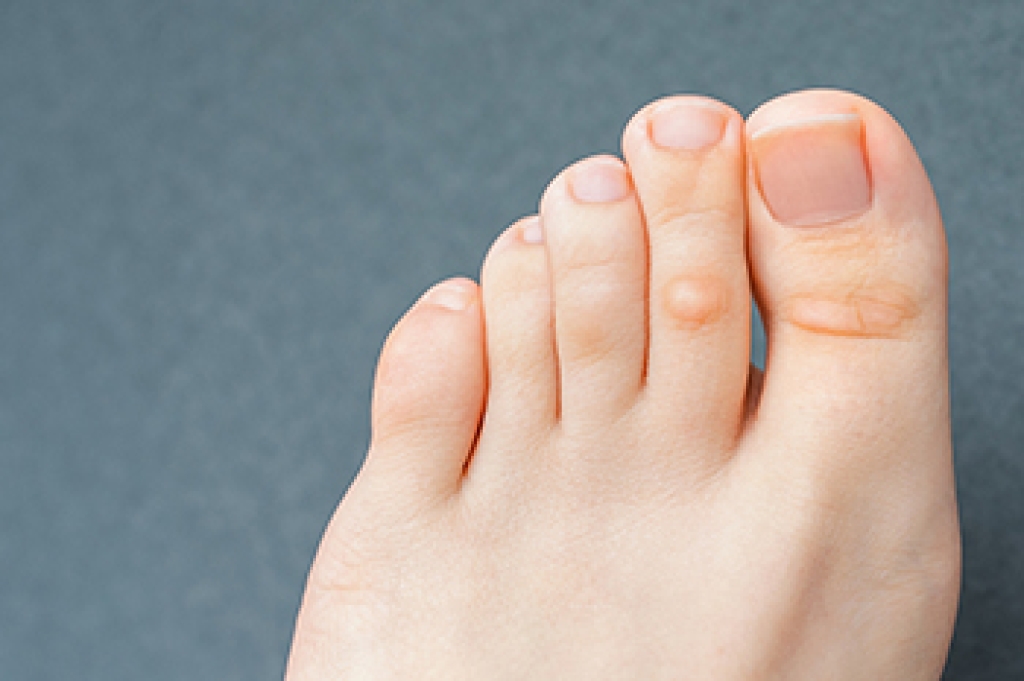
Bunions are a progressive foot condition that creates a bony bump at the base of the big toe joint. They are often caused by inherited foot structure, improper footwear, or repeated stress on the foot. A bunion may look swollen, red, or enlarged and can feel achy, stiff, or painful, especially during walking or while wearing tight shoes. Some people notice burning sensations, throbbing, or limited range of motion in the toe. A podiatrist can help from the start by evaluating foot alignment, gait, and joint function, and may use imaging to confirm severity. Treatment options range from footwear guidance and padding to custom orthotics designed to reduce pressure and discomfort. Early care may slow progression and improve daily mobility and overall foot health. If you have a painful bunion, it is suggested that you schedule an appointment with a podiatrist for effective relief and treatment solutions.

If you are suffering from bunions, contact one of our podiatrists of Carolina Foot & Ankle Specialists. Our doctors can provide the care you need to keep you pain-free and on your feet.

What Is a Bunion?

A bunion is formed of swollen tissue or an enlargement of boney growth, usually located at the base joint of the toe that connects to the foot. The swelling occurs due to the bones in the big toe shifting inward, which impacts the other toes of the foot. This causes the area around the base of the big toe to become inflamed and painful.

Why Do Bunions Form?

Genetics – Susceptibility to bunions are often hereditary

Stress on the feet – Poorly fitted and uncomfortable footwear that places stress on feet, such as heels, can worsen existing bunions

How Are Bunions Diagnosed?

Podiatrists often perform two tests – blood tests and x-rays – when trying to diagnose bunions, especially in the early stages of development. Blood tests help determine if the foot pain is being caused by something else, such as arthritis, while x-rays provide a clear picture of your bone structure to your provider.

How Are Bunions Treated?

  • Refrain from wearing heels or similar shoes that cause discomfort
  • Select wider shoes that can provide more comfort and reduce pain
  • Anti-inflammatory and pain management drugs
  • Orthotics or foot inserts
  • Surgery

If you have any questions, please feel free to contact our offices located in Mount Pleasant and Charleston, SC . We offer the newest diagnostic and treatment technologies for all your foot care needs.

Read more about Bunions

Lower Extremity Injuries in the Weekend Athlete

A weekend athlete is someone who exercises intensely on days off after being mostly sedentary during the week. This pattern can place sudden stress on feet and ankles. Common injuries include ankle sprains, plantar fascia irritation, Achilles tendon strain, stress fractures, and tendon inflammation. Wearing poor footwear, uneven surfaces, and skipping warm ups can increase risk. Symptoms may involve swelling, stiffness, bruising, or sharp pain during movement. Diagnosis starts with a detailed history of activity and onset of pain, followed by a physical exam. Imaging may be used to evaluate bones, ligaments, and soft tissue. Early attention helps prevent repeat injury and supports safer return to recreational sports. When foot or ankle pain lingers after weekend activity or interferes with daily walking, it is suggested that you see a podiatrist for an evaluation and appropriate care.

Ankle and foot injuries are common among athletes and in many sports. They can be caused by several problems and may be potentially serious. If you are feeling pain or think you were injured in a sporting event or when exercising, consult with one of our podiatrists from Carolina Foot & Ankle Specialists. Our doctors will assess your condition and provide you with quality foot and ankle treatment.

Common Injuries

The most common injuries that occur in sporting activities include:

  • Achilles Tendonitis
  • Achilles Tendon Rupture
  • Ankle Sprains
  • Broken Foot
  • Plantar Fasciitis
  • Stress Fractures
  • Turf Toe

Symptoms

Symptoms vary depending upon the injury and in some cases, there may be no symptoms at all. However, in most cases, some form of symptom is experienced. Pain, aching, burning, bruising, tenderness, tightness or stiffness, sensation loss, difficulty moving, and swelling are the most common symptoms.

Treatment

Just as symptoms vary depending upon the injury, so do treatment options. A common treatment method is known as the RICE method. This method involves rest, applying ice, compression and elevating the afflicted foot or ankle. If the injury appears to be more serious, surgery might be required, such as arthroscopic or reconstructive surgery. Lastly, rehabilitation or therapy might be needed to gain full functionality in the afflicted area. Any discomfort experienced by an athlete must be evaluated by a licensed, reputable medical professional.  

If you have any questions please contact our offices located in Mount Pleasant and Charleston, SC . We offer the newest diagnostic and treatment technologies for all your foot and ankle needs.

Read more about Sports Related Foot and Ankle Injuries

Keep Your Feet Healthy So You Can Stay Active

Have your feet inspected by a professional before starting a new sport or physical activity. Taking charge of your foot health will keep you in good physical condition and can help you avoid a potential injury, such as a fracture or sprained ankle.

Prevent injuries and see a foot specialist.

Managing Swollen Feet

Swollen feet are a common concern that can affect people of all ages, and may develop gradually or appear suddenly. The feet may look puffy, shiny, or discolored, and the skin may feel tight, warm, or tender when touched. Symptoms can include aching, reduced mobility, and difficulty fitting into regular footwear. Causes often include prolonged standing, wearing ill-fitting shoes, poor circulation, inflammation, fluid retention, or underlying medical conditions. A podiatrist can begin by evaluating the swelling, assessing circulation, reviewing medical history, and identifying any biomechanical factors that may be contributing to the problem. Once a diagnosis is made, treatment options may involve compression guidance, orthotics to improve support, and strategies to reduce daily strain. In some cases, imaging or referral for further medical evaluation may be necessary. Because timely care can reduce discomfort and prevent complications, it is suggested that you schedule an appointment with a podiatrist for an accurate diagnosis and effective relief tips.

Swollen feet can be a sign of an underlying condition. If you have any concerns, contact one of our podiatrists of Carolina Foot & Ankle Specialists. Our doctors can provide the care you need to keep you pain-free and on your feet.

Swollen feet are a common ailment among pregnant women and people who stand or sit for extended periods. Aging may increase the possibility of swollen feet and patients who are obese often notice when their feet are swelling too. There may be medical reasons why swollen feet occur:

  • Phlebitis - A condition that causes the veins to become inflamed and can also cause leg pain.
  • Liver disease - This may lead to low blood levels of albumin which is a protein. This can cause fluid in the blood to pass into the tissues and several areas of the body can become swollen.
  • Heart failure - When the heart doesn’t pump properly the blood that is normally pumped back to the heart can pool in the veins of the legs causing swollen feet.
  • Kidney disease - One of the main functions of the kidneys is releasing excess fluid in the body. This type of condition can make it difficult for the kidneys to function properly, and as a result the feet may become swollen.
  • Deep-vein thrombosis (DVT)- This is a serious condition where blood clots form in the veins of the legs. They can block the return of blood from the legs to the heart which may cause the feet to swell. It is important to be treated by a podiatrist if this condition is present.

Swollen feet can also be caused by bone and tendon conditions, including fractures, arthritis, and tendinitis. Additionally, there may be skin and toenail conditions and an infection may cause the feet to swell. Patients who take medicine to treat high blood pressure may be prone to getting swollen feet. 

Many patients elevate their feet to help relieve the swelling and this is generally a temporary remedy. When a podiatrist is consulted the reason behind the swelling can be uncovered and subsequently treated.

If you have any questions please contact our offices located in Mount Pleasant and Charleston, SC . We offer the newest diagnostic and treatment technologies for all your foot and ankle needs.

Read more about Swelling of the Feet

Causes and Symptoms of Splay Foot

Splay foot describes a widening of the front of the foot, caused by loss of the transverse arch and leading to forefoot instability and altered walking mechanics. Splay foot may develop from inherited foot structure, ligament weakness, excess body weight, prior injury, or repeated stress on the mid-foot. As the metatarsal bones spread, people often notice increasing foot width, discomfort when standing or walking, and shoes that feel tight or wear unevenly. Painful calluses beneath the ball of the foot, burning or tingling sensations, fatigue, and a tendency to walk on the outer edge of the foot are common symptoms. Splay foot can contribute to bunions, hammertoes, and strain that affects posture and gait. A podiatrist can evaluate alignment and identify contributing factors. If your toes are widely separated and are causing pain, it is suggested that you make an appointment with a podiatrist for an exam, diagnosis, and treatment.

If you have any concerns about your feet, contact one of our podiatrists from Carolina Foot & Ankle Specialists. Our doctors can provide the care you need to keep you pain-free and on your feet.

Biomechanics in Podiatry

Podiatric biomechanics is a particular sector of specialty podiatry with licensed practitioners who are trained to diagnose and treat conditions affecting the foot, ankle and lower leg. Biomechanics deals with the forces that act against the body, causing an interference with the biological structures. It focuses on the movement of the ankle, the foot and the forces that interact with them.

A History of Biomechanics

  • Biomechanics dates back to the BC era in Egypt where evidence of professional foot care has been recorded.
  • In 1974, biomechanics gained a higher profile from the studies of Merton Root, who claimed that by changing or controlling the forces between the ankle and the foot, corrections or conditions could be implemented to gain strength and coordination in the area.

Modern technological improvements are based on past theories and therapeutic processes that provide a better understanding of podiatric concepts for biomechanics. Computers can provide accurate information about the forces and patterns of the feet and lower legs.

Understanding biomechanics of the feet can help improve and eliminate pain, stopping further stress to the foot.

If you have any questions please feel free to contact our offices located in Mount Pleasant and Charleston, SC . We offer the newest diagnostic and treatment technologies for all your foot and ankle needs.

Read more about Biomechanics in Podiatry