Foot Ulcers and Proper Wound Care

A foot ulcer is an open sore or wound that typically occurs on the bottom of the foot. It is common in individuals with diabetes or poor circulation, as high blood sugar and reduced blood flow can impair healing. Foot ulcers can develop due to pressure, friction, or injury, and without proper care, they can become infected or worsen over time. Effective wound care is an important way to prevent further complications. This involves cleaning the ulcer regularly, applying appropriate dressings, and ensuring the foot is protected from further injury. It is also important to manage underlying conditions, such as diabetes, by keeping blood sugar levels under control. In some cases, a podiatrist may recommend antibiotics if an infection is present. Wearing proper footwear and offloading pressure from the affected area are also essential in promoting healing and preventing recurrence. If you have developed a foot ulcer, it is strongly suggested that you are under the care of a podiatrist who can offer appropriate treatment solutions.

Wound care is an important part in dealing with diabetes. If you have diabetes and a foot wound or would like more information about wound care for diabetics, consult with one of our podiatrists from Carolina Foot & Ankle Specialists. Our doctors will assess your condition and provide you with quality foot and ankle treatment.

What Is Wound Care?

Wound care is the practice of taking proper care of a wound. This can range from the smallest to the largest of wounds. While everyone can benefit from proper wound care, it is much more important for diabetics. Diabetics often suffer from poor blood circulation which causes wounds to heal much slower than they would in a non-diabetic. 

What Is the Importance of Wound Care?

While it may not seem apparent with small ulcers on the foot, for diabetics, any size ulcer can become infected. Diabetics often also suffer from neuropathy, or nerve loss. This means they might not even feel when they have an ulcer on their foot. If the wound becomes severely infected, amputation may be necessary. Therefore, it is of the upmost importance to properly care for any and all foot wounds.

How to Care for Wounds

The best way to care for foot wounds is to prevent them. For diabetics, this means daily inspections of the feet for any signs of abnormalities or ulcers. It is also recommended to see a podiatrist several times a year for a foot inspection. If you do have an ulcer, run the wound under water to clear dirt from the wound; then apply antibiotic ointment to the wound and cover with a bandage. Bandages should be changed daily and keeping pressure off the wound is smart. It is advised to see a podiatrist, who can keep an eye on it.

If you have any questions please contact our offices located in Mount Pleasant and Charleston, SC . We offer the newest diagnostic and treatment technologies for all your foot and ankle needs.

Read more about Wound Care

Toe Pain and Common Toenail Disorders

Toe pain is a frequent concern that can result from injury, pressure, or underlying toenail problems. The toenail is a complex structure made up of four key parts, including the nail plate, nail matrix, nail bed, and nail folds. Each of these components plays a role in nail growth and protection. Disorders can affect any of these areas, leading to discomfort and visible changes. Understanding the definition of toe pain and how toenail structures function can help identify early signs of problems and guide proper care.

Symptoms of toenail disorders often include pain, discoloration, thickening, or changes in nail shape. Deformities refer to visible changes in the nail’s structure, such as curving or lifting from the nail bed. Dystrophies involve changes in texture, including brittleness or rough surfaces. Individuals may also experience swelling or redness around the nail folds, especially if infection is present. These symptoms can affect walking comfort and may worsen without timely attention.


Risk factors for toe pain and toenail problems include wearing tight footwear, repeated trauma, and poor foot hygiene. Conditions such as fungal infections or ingrown toenails can also contribute to discomfort. Damage to the nail matrix can alter nail growth, while issues with the nail bed may affect attachment and stability. Additional causes include excessive moisture, improper nail trimming, and underlying health conditions. These factors can disrupt normal nail function and increase the likelihood of chronic problems.


Maintaining healthy toenails involves proper hygiene, careful trimming, and wearing well-fitted shoes that reduce pressure on the toes. Regular inspection of the nails can help detect early changes and prevent complications. Addressing symptoms promptly can support long-term foot health and comfort. If you have toenail problems or persistent toe pain, it is suggested that you consult a podiatrist for effective relief and treatment solutions.

Toe pain can disrupt your daily activities. If you have any concerns, contact one of our podiatrists of Carolina Foot & Ankle Specialists. Our doctors can provide the care you need to keep you pain-free and on your feet.

What Causes Toe Pain?

Most severe toe pain is caused due to a sports injury, trauma from dropping something heavy on the toe, or bumping into something rigid. Other problems can develop over time for various reasons.

Toe pain can be caused by one or more ailments. The most common include:

  • Trauma
  • Sports injury
  • Wearing shoes that are too tight
  • Arthritis
  • Gout
  • Corns and calluses
  • Hammertoe
  • Bunions
  • Blisters
  • Ingrown toenails
  • Sprains
  • Fractures (broken bones)
  • Dislocations

When to See a Podiatrist

  • Severe pain
  • Persistent pain that lasts more than a week
  • Signs of infection
  • Continued swelling
  • Pain that prevents walking

Diagnosis

In many cases the cause of toe pain is obvious, but in others, a podiatrist may want to use more advanced methods to determine the problem. These can range from simple visual inspections and sensation tests to X-rays and MRI scans. Prior medical history, family medical history, and any recent physical traumatic events will all be taken into consideration for a proper diagnosis.

Treatment

Treatments for toe pain and injuries vary and may include shoe inserts, padding, taping, medicines, injections, and in some cases, surgery. If you believe that you have broken a toe, please see a podiatrist as soon as possible.

If you have any questions please contact our offices located in Mount Pleasant and Charleston, SC . We offer the newest diagnostic and treatment technologies for all your foot and ankle needs.

Read more about Toe Pain

When Foot Surgery May Be the Right Option

Foot surgery may be recommended when ongoing foot pain, deformity, or injury does not improve with appropriate medical care. Many foot conditions can be managed without surgery, but some cases require a surgical procedure to restore function or relieve persistent discomfort. Foot surgery may be considered for certain problems, such as severe bunions, hammertoes, or fractures, that have affected normal foot alignment. Depending on the condition, surgery may also improve mobility and make walking more comfortable. Every patient is different, so the decision is based on the type of problem, its severity, and how much it affects daily activities. A thorough evaluation by a podiatrist helps determine whether surgery is an appropriate treatment option.


Before recommending foot surgery, a podiatrist carefully examines the foot and reviews the patient's symptoms, medical history, and imaging studies when needed. This evaluation helps identify the underlying cause of pain and determine the most effective treatment plan. The goal of surgery is to improve foot function while reducing pain and correcting structural problems. Recovery time depends on the procedure performed and the condition being treated. Regular follow-up appointments are an important part of the healing process because they allow progress to be monitored and treatment plans to be adjusted if necessary. Careful planning before surgery also helps patients understand what to expect throughout recovery.


Podiatrists are specially trained to diagnose foot conditions and perform surgical procedures when they are medically necessary. They also provide comprehensive care before and after surgery to support healing and help patients return to normal activities safely. Professional treatment focuses on restoring mobility, improving foot function, and reducing the risk of future complications. Early evaluation is important because delaying care may allow certain foot conditions to worsen. If chronic foot pain, a deformity, or a serious foot injury is limiting your daily activities, it is suggested that you consult a podiatrist for an evaluation and appropriate treatment options.

Foot surgery is sometimes necessary to treat a foot ailment. To learn more, contact one of our podiatrists of Carolina Foot & Ankle Specialists. Our doctors will assist you with all of your foot and ankle needs.

When Is Surgery Necessary?

Foot and ankle surgery is generally reserved for cases in which less invasive, conservative procedures have failed to alleviate the problem. Some of the cases in which surgery may be necessary include:

  • Removing foot deformities like bunions and bone spurs
  • Severe arthritis that has caused bone issues
  • Cosmetic reconstruction

What Types of Surgery Are There?

The type of surgery you receive will depend on the nature of the problem you have. Some of the possible surgeries include:

  • Bunionectomy for painful bunions
  • Surgical fusion for realignment of bones
  • Neuropathy decompression surgery to treat nerve damage

Benefits of Surgery

Although surgery is usually a last resort, it can provide more complete pain relief compared to non-surgical methods and may allow you to finally resume full activity.

Surgical techniques have also become increasingly sophisticated. Techniques like endoscopic surgery allow for smaller incisions and faster recovery times.

If you have any questions, please feel free to contact our offices located in Mount Pleasant and Charleston, SC . We offer the newest diagnostic and treatment technologies for all your foot care needs.

Read more about Foot and Ankle Surgery

Cracked Heels Can Worsen Without Proper Foot Care

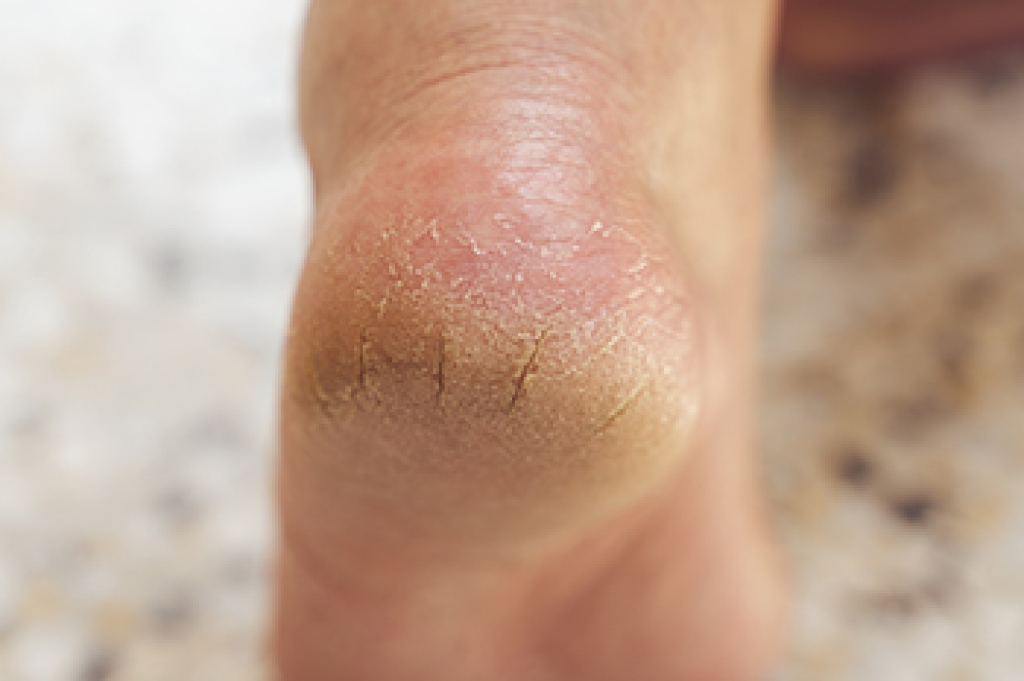
Cracked heels develop when dry, thick skin surrounding the heel loses flexibility and splits under pressure. The cracks can look like thin lines, but deeper openings can cause pain, bleeding, or tenderness while walking. Standing for long periods can place added stress on the heel. Shoes that fit poorly and open-back sandals can also let the heel spread outward. Age can raise the risk because skin becomes less flexible and produces less oil. Health problems like diabetes, psoriasis, and athlete’s foot can also contribute to cracked heels.

A podiatrist can examine the heels to determine how deep the cracks are and whether infection is present. The examination also looks for thick calluses, redness, and drainage. A podiatrist can check circulation and sensation in the feet, especially when a patient has diabetes or another condition that affects healing. Treatment includes the careful removal of hard, thickened skin with sterile instruments. This process reduces pressure near the cracks and helps the heel regain a smoother surface. The podiatrist can also apply protective dressings or recommend heel cups that support the heel’s padding. Deep cracks and termed fissures can require specialized wound care.

A podiatrist also addresses the forces that caused the skin to split. They can assess a patient’s gait, foot shape, and shoe fit. Custom orthotics can improve weight distribution when poor foot alignment places extra pressure on the heels. Advice about properly fitted, supportive shoes can help protect the skin and limit outward spreading of the heel. Regular podiatric evaluations are important for patients with poor circulation, reduced feeling, or a history of slow-healing wounds. Cracked heels should not be ignored when they bleed, become increasingly painful, or show redness and warmth. Early professional care can keep small splits from becoming deeper wounds and can lower the risk of infection. If you have painful cracked heels, it is suggested that you schedule an appointment with a podiatrist for effective treatment solutions, which may include prescribed medication. 

If the skin on your feet starts to crack, you may want to see a podiatrist to find treatment. If you have any concerns, contact one of our podiatrists from Carolina Foot & Ankle Specialists. Our doctors can provide the care you need to keep you pain-free and on your feet.

Cracked Heels

It is important to moisturize your cracked heels in order to prevent pain, bleeding, and infection. The reason cracked heels form is because the skin on the foot is too dry to support the immense pressure placed on them. When the foot expands, the dry skin on the foot begins to split.

Ways to Help Heal Them

  • Invest in a good foot cream
  • Try Using Petroleum Jelly
  • Ease up on Soaps
  • Drink Plenty of Water

Ways to Prevent Cracked Heels

  • Moisturize After Showering
  • Skip a Shower
  • Keep Shower Water Lukewarm
  • Don’t Scrub Your Feet

If you are unsure how to proceed in treating cracked heels, seek guidance from a podiatrist. Your doctor will help you with any questions or information you may need. 

If you have any questions, please feel free to contact our offices located in Mount Pleasant and Charleston, SC . We offer the newest diagnostic and treatment technologies for all your foot care needs.

Read more about Solutions for Cracked Heels