Why Toenail Pain Happens and What It Means

Onychalgia, or pain involving the nails, can be surprisingly intense due to the structure of the fingertip or toe tip. The end of the toe contains many sensitive nerve endings, and there is little cushioning between the nail and the underlying bone. In addition, strong connective fibers tightly anchor the nail to the tissue beneath it. Because of this, even slight pressure, swelling, or changes surrounding the nail can lead to significant discomfort, as there is little room for the area to expand without causing pain. Nail pain can come from a variety of causes, including irritation, injury, infection, or changes in how the nail grows. Understanding what is driving the pain helps guide care that focuses on both relief and long-term improvement. Treatment may involve reducing pressure, addressing inflammation, or correcting nail growth patterns. If you are experiencing persistent nail pain or sensitivity, it is suggested that you see a podiatrist for a proper diagnosis and appropriate treatment.

Toe pain can disrupt your daily activities. If you have any concerns, contact one of our podiatrists of Carolina Foot & Ankle Specialists. Our doctors can provide the care you need to keep you pain-free and on your feet.

What Causes Toe Pain?

Most severe toe pain is caused due to a sports injury, trauma from dropping something heavy on the toe, or bumping into something rigid. Other problems can develop over time for various reasons.

Toe pain can be caused by one or more ailments. The most common include:

  • Trauma
  • Sports injury
  • Wearing shoes that are too tight
  • Arthritis
  • Gout
  • Corns and calluses
  • Hammertoe
  • Bunions
  • Blisters
  • Ingrown toenails
  • Sprains
  • Fractures (broken bones)
  • Dislocations

When to See a Podiatrist

  • Severe pain
  • Persistent pain that lasts more than a week
  • Signs of infection
  • Continued swelling
  • Pain that prevents walking

Diagnosis

In many cases the cause of toe pain is obvious, but in others, a podiatrist may want to use more advanced methods to determine the problem. These can range from simple visual inspections and sensation tests to X-rays and MRI scans. Prior medical history, family medical history, and any recent physical traumatic events will all be taken into consideration for a proper diagnosis.

Treatment

Treatments for toe pain and injuries vary and may include shoe inserts, padding, taping, medicines, injections, and in some cases, surgery. If you believe that you have broken a toe, please see a podiatrist as soon as possible.

If you have any questions please contact our offices located in Mount Pleasant and Charleston, SC . We offer the newest diagnostic and treatment technologies for all your foot and ankle needs.

Read more about Toe Pain

We Can Treat Your Foot or Ankle Pain

Foot or ankle pain can negatively affect your day-to-day life and can occur due to several different conditions. Pain can also be an indicator of a more serious underlying condition, which is why you should seek professional help as soon as you notice any abnormalities in your feet.

When Toenail Fungus Becomes More Than Cosmetic

Onychomycosis is the medical term for a fungal infection of the toenails. The infection develops when fungi grow under or within the nail, slowly damaging the nail plate and surrounding tissue. Many people first notice a nail that becomes yellow, white, or brown, and begins to thicken or crumble. While it may seem like only a cosmetic concern, thickened nails can press against shoes and cause pain during daily activities. Nails may become difficult to trim and can trap debris that worsens irritation. The infection may also spread to other nails or nearby skin. Older adults and people with diabetes or circulation problems often experience more severe cases. A podiatrist can confirm the infection and recommend effective treatment options. If you notice thick, discolored, or painful toenails, it is suggested that you see a podiatrist for a proper diagnosis and appropriate treatment.

If left untreated, toenail fungus may spread to other toenails, skin, or even fingernails. If you suspect you have toenail fungus it is important to seek treatment right away. For more information about treatment, contact one of our podiatrists of Carolina Foot & Ankle Specialists. Our doctors can provide the care you need to keep you pain-free and on your feet.

Symptoms

  • Warped or oddly shaped nails
  • Yellowish nails
  • Loose/separated nail
  • Buildup of bits and pieces of nail fragments under the nail
  • Brittle, broken, thickened nail

Treatment

If self-care strategies and over-the-counter medications does not help your fungus, your podiatrist may give you a prescription drug instead. Even if you find relief from your toenail fungus symptoms, you may experience a repeat infection in the future.

Prevention

In order to prevent getting toenail fungus in the future, you should always make sure to wash your feet with soap and water. After washing, it is important to dry your feet thoroughly especially in between the toes. When trimming your toenails, be sure to trim straight across instead of in a rounded shape. It is crucial not to cover up discolored nails with nail polish because that will prevent your nail from being able to “breathe”.

In some cases, surgical procedure may be needed to remove the toenail fungus. Consult with your podiatrist about the best treatment options for your case of toenail fungus.  

If you have any questions please contact our offices located in Mount Pleasant and Charleston, SC . We offer the newest diagnostic and treatment technologies for all your foot and ankle needs.

Read more about Treating Toenail Fungus

Cold Feet and Underlying Health Conditions

Cold feet can be a symptom of several underlying conditions that affect circulation and nerve function. Raynaud's syndrome is a condition where blood vessels narrow excessively in response to cold or stress, reducing blood flow to the feet. Neuropathy involves nerve damage that can alter temperature sensation and cause persistent coldness. Vascular disease reduces circulation due to narrowed or blocked arteries.  Buerger's disease, an inflammatory condition that damages blood vessels, is often linked to tobacco use. Risk factors include smoking, diabetes, and poor circulation. A podiatrist can evaluate symptoms, identify underlying causes, and coordinate appropriate care to improve foot health. If your feet are cold for the majority of the time, it is suggested that you consult a podiatrist who can offer appropriate relief and treatment solutions.

Foot Pain

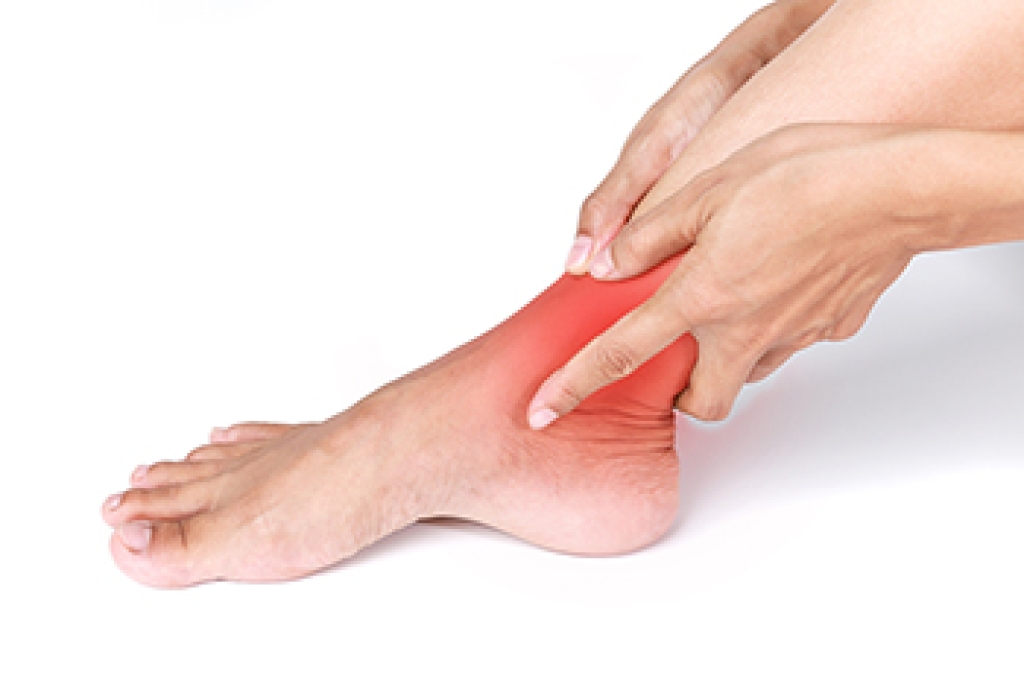
Foot pain can be extremely painful and debilitating. If you have a foot pain, consult with one of our podiatrists from Carolina Foot & Ankle Specialists. Our doctors will assess your condition and provide you with quality foot and ankle treatment.

Causes

Foot pain is a very broad condition that could be caused by one or more ailments. The most common include:

  • Bunions
  • Hammertoes
  • Plantar Fasciitis
  • Bone Spurs
  • Corns
  • Tarsal Tunnel Syndrome
  • Ingrown Toenails
  • Arthritis (such as Gout, Rheumatoid, and Osteoarthritis)
  • Flat Feet
  • Injury (from stress fractures, broken toe, foot, ankle, Achilles tendon ruptures, and sprains)
  • And more

Diagnosis

To figure out the cause of foot pain, podiatrists utilize several different methods. This can range from simple visual inspections and sensation tests to X-rays and MRI scans. Prior medical history, family medical history, and any recent physical traumatic events will all be taken into consideration for a proper diagnosis.

Treatment

Treatment depends upon the cause of the foot pain. Whether it is resting, staying off the foot, or having surgery; podiatrists have a number of treatment options available for foot pain.

If you have any questions, please feel free to contact our offices located in Mount Pleasant and Charleston, SC . We offer the newest diagnostic and treatment technologies for all your foot care needs.

Read more about Foot Pain

Gout and How It Differs From a Bunion

Gout is a form of inflammatory arthritis caused by the buildup of uric acid crystals in the joints, most often affecting the big toe. It differs from a bunion, which is a structural deformity where the big toe gradually shifts inward due to joint misalignment. Gout commonly affects men, postmenopausal women, and individuals who consume high purine foods such as red meat and certain seafood. Symptoms include sudden, intense pain, redness, swelling, and warmth in the affected joint. Risk factors include obesity, kidney disease, alcohol intake, and genetics. A podiatrist can diagnose the condition, manage flare ups, recommend dietary changes, and provide medications or supportive footwear to reduce pressure on the joint. If you have symptoms of gout, it is suggested that you are under the care of a podiatrist who can help you to manage this painful condition.

Gout is a painful condition that can be treated. If you are seeking treatment, contact one of our podiatrists from Carolina Foot & Ankle Specialists. Our doctors will treat your foot and ankle needs.

What Is Gout?

Gout is a form of arthritis that is characterized by sudden, severe attacks of pain, redness, and tenderness in the joints. The condition usually affects the joint at the base of the big toe. A gout attack can occur at any random time, such as the middle of the night while you are asleep.

Symptoms

  • Intense Joint Pain - Usually around the large joint of your big toe, and it most severe within the first four to twelve hours
  • Lingering Discomfort - Joint discomfort may last from a few days to a few weeks
  • Inflammation and Redness -Affected joints may become swollen, tender, warm and red
  • Limited Range of Motion - May experience a decrease in joint mobility

Risk Factors

  • Genetics - If family members have gout, you’re more likely to have it
  • Medications - Diuretic medications can raise uric acid levels
  • Gender/Age - Gout is more common in men until the age of 60. It is believed that estrogen protects women until that point
  • Diet - Eating red meat and shellfish increases your risk
  • Alcohol - Having more than two alcoholic drinks per day increases your risk
  • Obesity - Obese people are at a higher risk for gout

Prior to visiting your podiatrist to receive treatment for gout, there are a few things you should do beforehand. If you have gout you should write down your symptoms--including when they started and how often you experience them, important medical information you may have, and any questions you may have. Writing down these three things will help your podiatrist in assessing your specific situation so that he or she may provide the best route of treatment for you.

If you have any questions, please feel free to contact our offices located in Mount Pleasant and Charleston, SC . We offer the newest diagnostic and treatment technologies for all your foot care needs.
Read more about Gout