Simple Spring Foot Care Tips

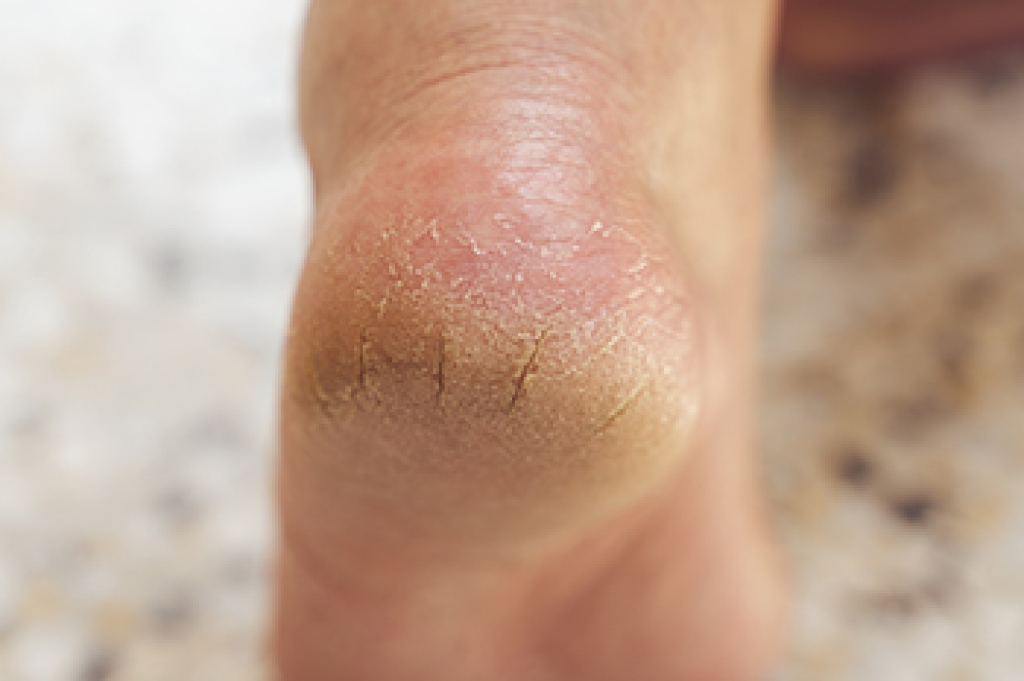
Taking care of your feet during spring and summer is important to keep them healthy, comfortable, and looking their best. Warm weather and increased activity can lead to dryness, calluses, and irritation. Regular foot soaks can help soften the skin and relax tired feet. Using a foot scrub can remove buildup and keep skin smooth. Applying moisturizer daily helps prevent dryness and cracking. Proper nail trimming supports healthy nail growth and reduces the risk of ingrown nails. Wearing breathable footwear can also help maintain overall foot health. A podiatrist can help by addressing concerns, providing professional care, and recommending personalized treatments. If you have concerning foot conditions, it is suggested that you consult a podiatrist who can offer effective treatment solutions, and guide you on additional everyday foot care tips.

Everyday foot care is very important to prevent infection and other foot ailments. If you need your feet checked, contact one of our podiatrists from Carolina Foot & Ankle Specialists. Our doctors can provide the care you need to keep you pain-free and on your feet.

Everyday Foot Care

Often, people take care of their bodies, face and hair more so than they do for their feet. But the feet are a very important aspect of our bodies, and one that we should pay more attention to. Without our feet, we would not be able to perform most daily tasks.

It is best to check your feet regularly to make sure there are no new bruises or cuts that you may not have noticed before. For dry feet, moisturizer can easily be a remedy and can be applied as often as necessary to the affected areas. Wearing shoes that fit well can also help you maintain good foot health, as well as making it easier to walk and do daily activities without the stress or pain of ill-fitting shoes, high heels, or even flip flops. Wearing clean socks with closed shoes is important to ensure that sweat and bacteria do not accumulate within the shoe. Clean socks help to prevent Athlete’s foot, fungi problems, bad odors, and can absorb sweat.

If you have any questions, please feel free to contact our offices located in Mount Pleasant and Charleston, SC . We offer the newest diagnostic and treatment technologies for all your foot care needs.

Read more about Every Day Foot Care

Are You Suffering From Nerve Damage?

Neuropathy is a condition that can lead to numbness or loss of sensation in the feet, but it can also cause pain. This condition is more likely to develop for those who are diabetic, obese, or with high blood pressure.

Choosing the Right Footwear for Soccer Performance

Footwear for soccer players plays a critical role in performance, comfort, and injury prevention. Comfort ensures that the shoe supports natural foot movement and allows athletes to perform without distraction. Proprioception, or the ability to sense movement and position, is influenced by how well the shoe fits and interacts with the foot. Shoe mechanical characteristics such as flexibility, traction, and stability must match the demands of the sport and the type of field surfaces. Cleats are designed to provide grip and control, but poor design or improper fit can increase the risk of injury. A podiatrist can help evaluate foot structure and recommend appropriate footwear. If you have sustained a foot injury and want to improve performance and protect your feet, it is suggested that you consult a podiatrist who can offer relief solutions and guide you toward the right soccer footwear for your needs.

Finding a properly-fitting shoe is important in reducing injuries and preventing foot problems. For more information about treatment, contact one of our podiatrists from Carolina Foot & Ankle Specialists. Our doctors will treat your foot and ankle needs.

Proper Shoe Fitting

A common concern when it comes to foot health, having properly fitted shoes can help prevent injuries to the foot. Out feet affect our posture and gait, which in turn affects the biomechanics and overall bodily structure. With 33 joints, 26 bones, and over 100 ligaments, the potential for serious injury is much greater than one realizes. Although the feet cease growth in adulthood, they still change shape as they mature. Here are some factors to consider when it comes to investing in proper fitting shoes:

  • Be sure the shoes fit correctly right away
  • Ensure the ball of your foot fits comfortably in the widest portion of the shoes
  • Even though they may look fashionable, improper fitting shoes can either create adverse conditions or exacerbate existing ones you may already have
  • Walk along a carpeted surface to ensure the shoes comfortably fit during normal activity

Keeping in mind how shoes fit the biomechanics of your body, properly-fitting shoes are vitally important. Fortunately, it is not difficult to acquire footwear that fits correctly. Be sure to wear shoes that support the overall structure of your body. Do your feet a favor and invest in several pairs of well-fitted shoes today.

If you have any questions, please feel free to contact our offices located in Mount Pleasant and Charleston, SC . We offer the newest diagnostic and treatment technologies for all your foot care needs.

Read more about Proper Shoe Fitting

Types of Corns on the Feet

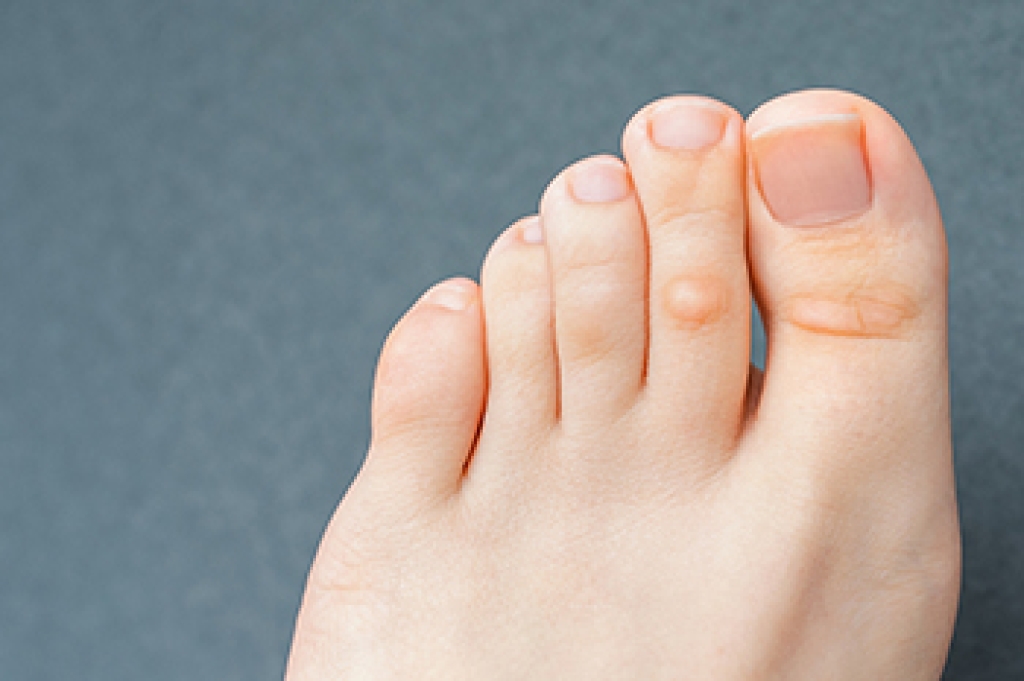
Corns are thickened areas of skin that develop due to  stress on the foot. They form as a protective response to repeated pressure or friction, and may affect gait and cause considerable pain. Hard corns are dense and typically appear on the tops of toes or pressure points. Soft corns develop between toes where moisture is present and often appear whitish and tender. Seed corns are small and form on the bottom of the foot, sometimes in clusters. Symptoms include localized pain, thickened skin, and discomfort while walking. Risk factors include wearing ill-fitting shoes, foot deformities, and repetitive friction. A podiatrist can safely remove corns, relieve pressure, and recommend proper footwear. If you have developed a corn on your foot, it is suggested that you consult a podiatrist who can offer effective relief and prevention tips.

Corns can make walking very painful and should be treated immediately. If you have questions regarding your feet and ankles, contact one of our podiatrists of Carolina Foot & Ankle Specialists. Our doctors will treat your foot and ankle needs.

Corns: What Are They? And How Do You Get Rid of Them?
Corns are thickened areas on the skin that can become painful. They are caused by excessive pressure and friction on the skin. Corns press into the deeper layers of the skin and are usually round in shape.

Ways to Prevent Corns
There are many ways to get rid of painful corns such as:

  • Wearing properly fitting shoes that have been measured by a professional
  • Wearing shoes that are not sharply pointed or have high heels
  • Wearing only shoes that offer support

Treating Corns

Although most corns slowly disappear when the friction or pressure stops, this isn’t always the case. Consult with your podiatrist to determine the best treatment option for your case of corns.

If you have any questions, please feel free to contact our offices located in Mount Pleasant and Charleston, SC . We offer the newest diagnostic and treatment technologies for all your foot care needs.

Read more about Understanding Corns and Calluses

When a Small Nerve Causes Big Foot Pain

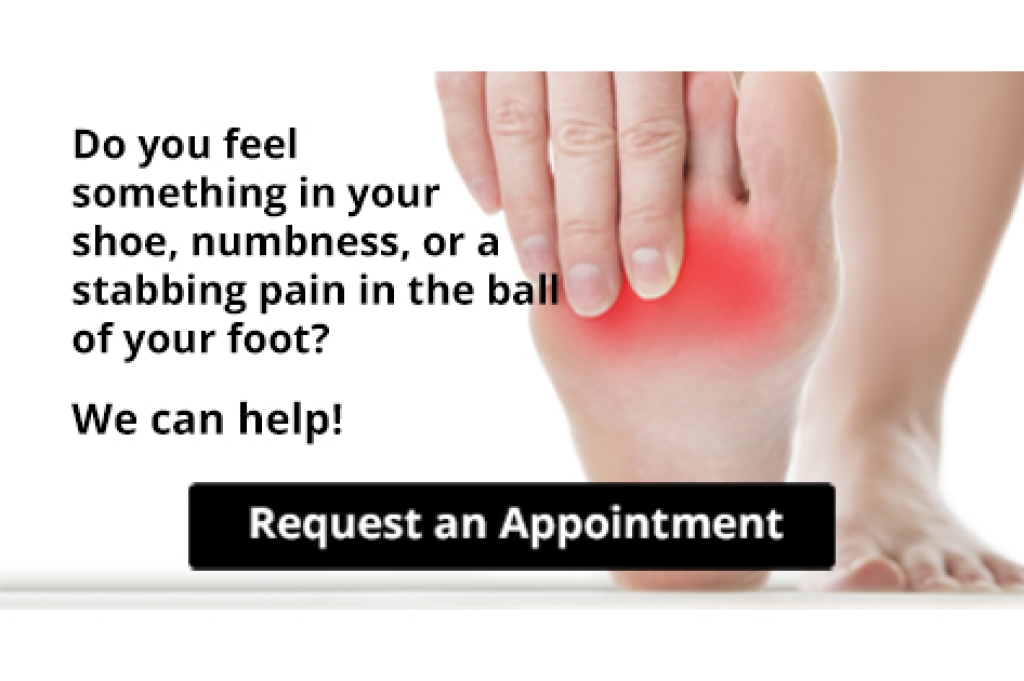
Morton’s neuroma is a painful condition that affects the nerve between the toes, most often between the third and fourth toes. It is caused by repeated pressure or irritation from tight shoes, high heels, foot structure, or high impact activity that thickens the nerve tissue. Symptoms often include burning, tingling, numbness, and a sensation that feels like standing on a pebble. The foot may look normal from the outside, though mild swelling or tenderness can appear between the toes. The pain may worsen with walking and improve when shoes are removed. A podiatrist can help by starting with a careful exam and imaging when needed to confirm the diagnosis. Treatment may begin with shoe changes and custom orthotics, then progress to targeted exercises, anti-inflammatory care, or injections to calm the nerve. In persistent cases, surgery may be discussed. If you suspect you might have a Morton’s neuroma, it is suggested that you make an appointment with a podiatrist for an exam, diagnosis, and treatment plan.

Morton’s neuroma is a very uncomfortable condition to live with. If you think you have Morton’s neuroma, contact one of our podiatrists of Carolina Foot & Ankle Specialists. Our doctors will attend to all of your foot care needs and answer any of your related questions.  

Morton’s Neuroma

Morton's neuroma is a painful foot condition that commonly affects the areas between the second and third or third and fourth toe, although other areas of the foot are also susceptible. Morton’s neuroma is caused by an inflamed nerve in the foot that is being squeezed and aggravated by surrounding bones.

What Increases the Chances of Having Morton’s Neuroma?

  • Ill-fitting high heels or shoes that add pressure to the toe or foot
  • Jogging, running or any sport that involves constant impact to the foot
  • Flat feet, bunions, and any other foot deformities

Morton’s neuroma is a very treatable condition. Orthotics and shoe inserts can often be used to alleviate the pain on the forefront of the feet. In more severe cases, corticosteroids can also be prescribed. In order to figure out the best treatment for your neuroma, it’s recommended to seek the care of a podiatrist who can diagnose your condition and provide different treatment options.

If you have any questions, please feel free to contact our offices located in Mount Pleasant and Charleston, SC . We offer the newest diagnostic and treatment technologies for all your foot care needs.

Read more about What is Morton's Neuroma?