
Common Causes of Falls in Older Adults and How to Prevent Them

Falls in older adults are a leading cause of injury, particularly affecting the feet and ankles. These incidents often result from a combination of physical, medical, and environmental factors. Aging can bring changes in strength, flexibility, and coordination, all of which play a role in maintaining balance. Understanding the underlying causes of falls allows for better prevention and safer daily living.

Symptoms that may indicate an increased risk of falling include poor balance, slower reaction times, and difficulty walking on uneven surfaces. Vision loss can make it harder to judge distances or detect obstacles. Medication side effects may cause dizziness or confusion, further increasing risk. Some seniors also develop a fear of falling, which may limit activity and lead to decreased muscle strength and stability.


Risk factors for falls include balance disorders, chronic health conditions, and unsafe living environments. Cluttered spaces, loose cords, and uneven flooring can create tripping hazards. Inadequate lighting makes it difficult to navigate safely, especially at night. Foot pain or improper footwear can also contribute to instability, increasing the chance of losing balance during movement.


Preventing falls involves making practical changes that improve safety and confidence. Installing grab bars in key areas, such as bathrooms, improving lighting in hallways and stairways, and removing tripping hazards can greatly reduce risk. Wearing supportive shoes and regular movement can help maintain strength and coordination. Taking these steps can help seniors stay active and independent. If you have fallen and have injured your foot or ankle, it is suggested that you consult a podiatrist for effective relief and treatment solutions.

Preventing falls among the elderly is very important. If you are older and have fallen or fear that you are prone to falling, consult with one of our podiatrists from Carolina Foot & Ankle Specialists. Our doctors will assess your condition and provide you with quality advice and care.

Every 11 seconds, an elderly American is being treated in an emergency room for a fall related injury. Falls are the leading cause of head and hip injuries for those 65 and older. Due to decreases in strength, balance, senses, and lack of awareness, elderly persons are very susceptible to falling. Thankfully, there are a number of things older persons can do to prevent falls.

How to Prevent Falls

Some effective methods that older persons can do to prevent falls include:

  • Enrolling in strength and balance exercise program to increase balance and strength
  • Periodically having your sight and hearing checked
  • Discuss any medications you have with a doctor to see if it increases the risk of falling
  • Clearing the house of falling hazards and installing devices like grab bars and railings
  • Utilizing a walker or cane
  • Wearing shoes that provide good support and cushioning
  • Talking to family members about falling and increasing awareness

Falling can be a traumatic and embarrassing experience for elderly persons; this can make them less willing to leave the house, and less willing to talk to someone about their fears of falling. Doing such things, however, will increase the likelihood of tripping or losing one’s balance. Knowing the causes of falling and how to prevent them is the best way to mitigate the risk of serious injury.  

If you have any questions, please feel free to contact our offices located in Mount Pleasant and Charleston, SC . We offer the newest diagnostic and treatment technologies for all your foot care needs.
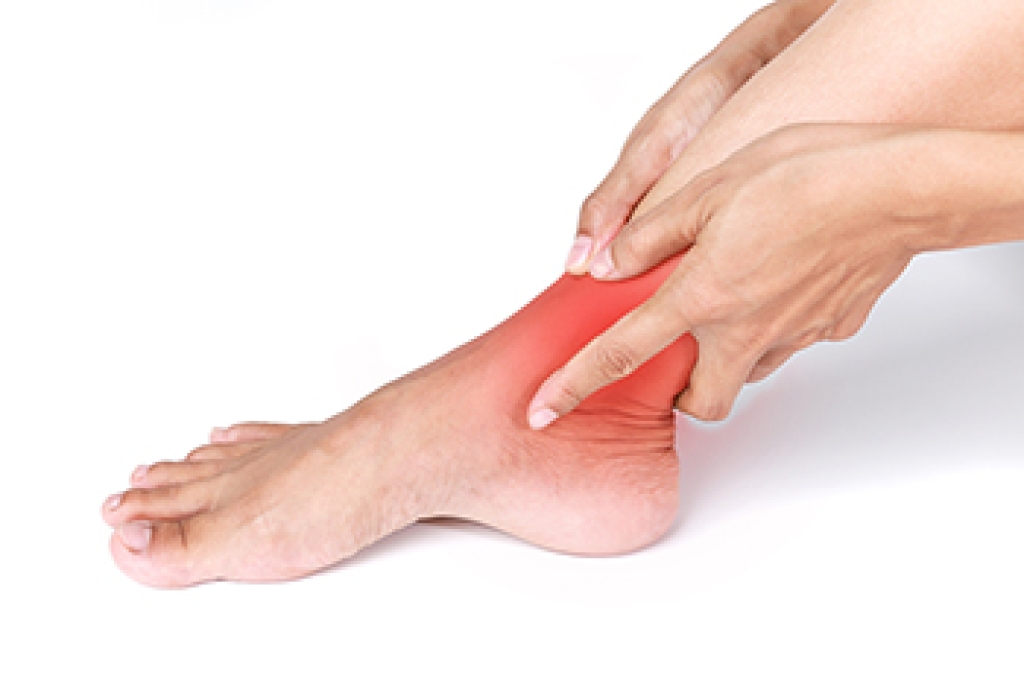

Read more about Falls Prevention

Dealing With Diabetic Foot Problems

Diabetes can affect the feet in several ways and can lead to serious problems when not managed properly. High blood sugar can damage nerves and reduce blood flow to the feet. Nerve damage, called neuropathy, can cause numbness, burning, or tingling sensations. Some people lose the ability to feel pain or temperature changes. As a result, cuts, blisters, and other injuries can go unnoticed. Reduced blood flow slows healing and makes it harder for the body to fight infection. Even a small wound can become a larger problem when it is not discovered quickly. This is why people with diabetes should pay close attention to any changes in their feet.

Common diabetic foot problems include dry skin, cracked heels, and thick calluses. Some people develop foot ulcers, which are open sores that can form on the bottom of the foot. Ulcers can become infected and lead to serious tissue damage. Diabetes also increases the risk of foot deformities, such as hammertoes and bunions. These conditions can create pressure points that raise the risk of skin breakdown. Swelling, redness, and drainage from a wound should never be ignored. Pain can also occur, although people with neuropathy may feel very little discomfort despite having a serious foot condition.

A podiatrist plays an important role in identifying and managing diabetic foot problems. A thorough foot examination can reveal signs of poor circulation, nerve damage, and developing wounds. Treatment includes caring for ulcers, removing thickened skin, and helping reduce pressure on painful areas. Additional treatment can address infections and foot deformities. Early diagnosis is important because untreated diabetic foot problems can lead to severe infections and tissue loss. Prompt care helps protect foot health and supports mobility. If you have foot problems related to diabetes, it is suggested that you make an appointment with a podiatrist for an exam and help in managing this serious condition.

Diabetic foot care is important in preventing foot ailments such as ulcers. If you are suffering from diabetes or have any other concerns about your feet, contact one of our podiatrists from Carolina Foot & Ankle Specialists. Our doctors can provide the care you need to keep you pain-free and on your feet.

Diabetic Foot Care

Diabetes affects millions of people every year. The condition can damage blood vessels in many parts of the body, especially the feet. Because of this, taking care of your feet is essential if you have diabetes, and having a podiatrist help monitor your foot health is highly recommended.

The Importance of Caring for Your Feet

  • Routinely inspect your feet for bruises or sores.
  • Wear socks that fit your feet comfortably.
  • Wear comfortable shoes that provide adequate support.

Patients with diabetes should have their doctor monitor their blood levels, as blood sugar levels play such a huge role in diabetic care. Monitoring these levels on a regular basis is highly advised.

It is always best to inform your healthcare professional of any concerns you may have regarding your feet, especially for diabetic patients. Early treatment and routine foot examinations are keys to maintaining proper health, especially because severe complications can arise if proper treatment is not applied.

If you have any questions, please feel free to contact our offices located in Mount Pleasant and Charleston, SC . We offer the newest diagnostic and treatment technologies for all your foot care needs.
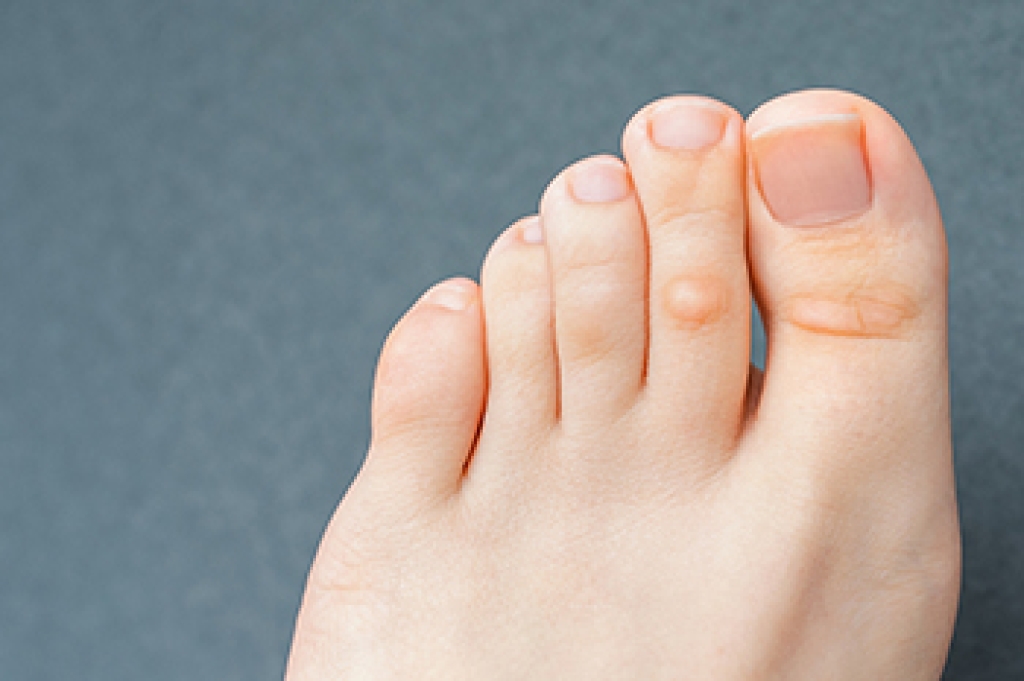
Read more about Diabetic Foot Care

What Your Feet Can Expect When You Are Expecting

Pregnancy can affect the body in a variety of ways. Weight gain, hormonal changes, and increased bodily fluids during pregnancy can all have negative effects on your feet and ankles. A loosening of joints and ligaments can also lead to flat feet, bunions, and ankle instability exacerbated by weight gain—which can also cause the feet to swell and widen. Blood flow irregularities can also produce cramping, swelling and pain in the feet and calves. While many of these adverse effects will subside post-pregnancy, some conditions can remain problematic. If you are struggling with these issues, you should consult with a podiatrist. 

Pregnant women with swollen feet can be treated with a variety of different methods that are readily available. For more information about other cures for swollen feet during pregnancy, consult with one of our podiatrists from Carolina Foot & Ankle Specialists. Our doctors will attend to all of your foot and ankle needs.

What Foot Problems Can Arise During Pregnancy?

One problem that can occur is overpronation, which occurs when the arch of the foot flattens and tends to roll inward.  This can cause pain and discomfort in your heels while you’re walking or even just standing up, trying to support your baby.  

Another problem is edema, or swelling in the extremities. This often affects the feet during pregnancy but tends to occur in the later stages. 

How Can I Keep My Feet Healthy During Pregnancy?

  • Wearing orthotics can provide extra support for the feet and help distribute weight evenly
  • Minimize the amount of time spent walking barefoot
  • Wear shoes with good arch support
  • Wear shoes that allow for good circulation to the feet
  • Elevate feet if you experience swelling
  • Massage your feet
  • Get regular, light exercise, such as walking, to promote blood circulation to the feet

If you have any questions, please feel free to contact our offices located in Mount Pleasant and Charleston, SC . We offer the newest diagnostic and treatment technologies for all your foot care needs.
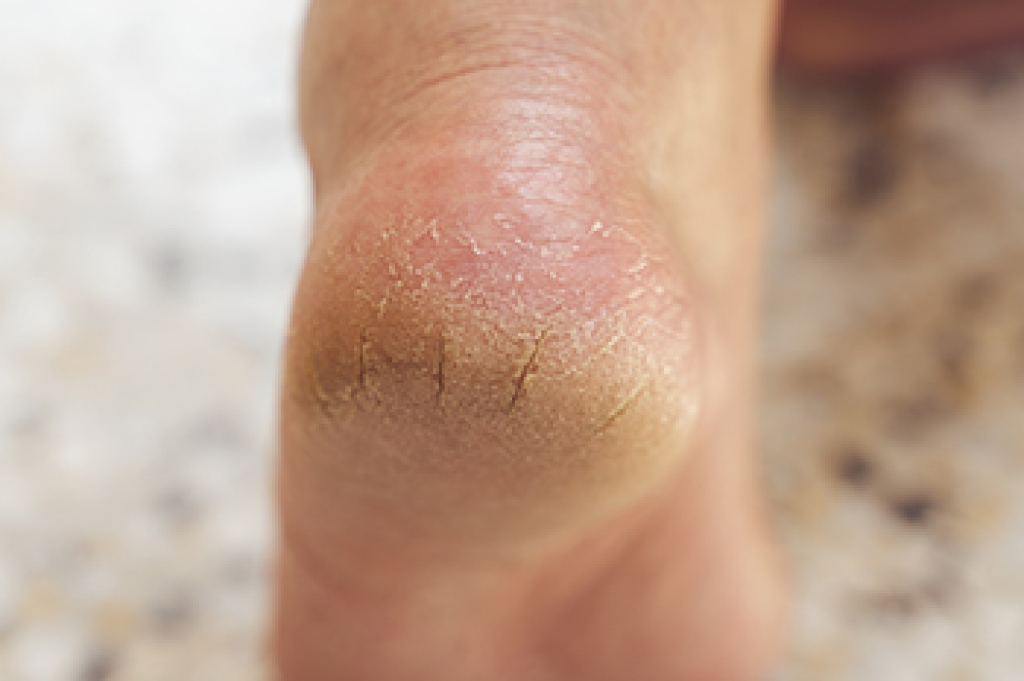
Read more about Pregnancy and Foot Health

Do You Suffer From Painful Feet?

Painful deformities, such as hammertoes, can be treated. Stop living with foot pain, and have beautiful feet again!

Understanding Ganglion Cysts

Ganglion cysts are fluid-filled sacs that develop near joints or tendons in the foot. They often appear as soft or firm lumps beneath the skin and may change in size over time. These cysts can form due to irritation or injury in the area, although the exact cause is not always clear. Risk factors include female gender and arthritis in nearby joints. Symptoms include tenderness, tingling, and, in some cases, muscle weakness if pressure affects nearby nerves. While some cysts are painless, others can cause discomfort with movement or footwear. A podiatrist can evaluate the cyst, confirm the diagnosis, and recommend appropriate treatment options. If you have developed a cyst on your foot, it is suggested that you consult a podiatrist who can provide a proper diagnosis and offer effective treatment solutions.

Foot Pain

Foot pain can be extremely painful and debilitating. If you have a foot pain, consult with one of our podiatrists from Carolina Foot & Ankle Specialists. Our doctors will assess your condition and provide you with quality foot and ankle treatment.

Causes

Foot pain is a very broad condition that could be caused by one or more ailments. The most common include:

  • Bunions
  • Hammertoes
  • Plantar Fasciitis
  • Bone Spurs
  • Corns
  • Tarsal Tunnel Syndrome
  • Ingrown Toenails
  • Arthritis (such as Gout, Rheumatoid, and Osteoarthritis)
  • Flat Feet
  • Injury (from stress fractures, broken toe, foot, ankle, Achilles tendon ruptures, and sprains)
  • And more

Diagnosis

To figure out the cause of foot pain, podiatrists utilize several different methods. This can range from simple visual inspections and sensation tests to X-rays and MRI scans. Prior medical history, family medical history, and any recent physical traumatic events will all be taken into consideration for a proper diagnosis.

Treatment

Treatment depends upon the cause of the foot pain. Whether it is resting, staying off the foot, or having surgery; podiatrists have a number of treatment options available for foot pain.

If you have any questions, please feel free to contact our offices located in Mount Pleasant and Charleston, SC . We offer the newest diagnostic and treatment technologies for all your foot care needs.

Read more about Foot Pain