Cracked Heels and Their Vitamin Connections

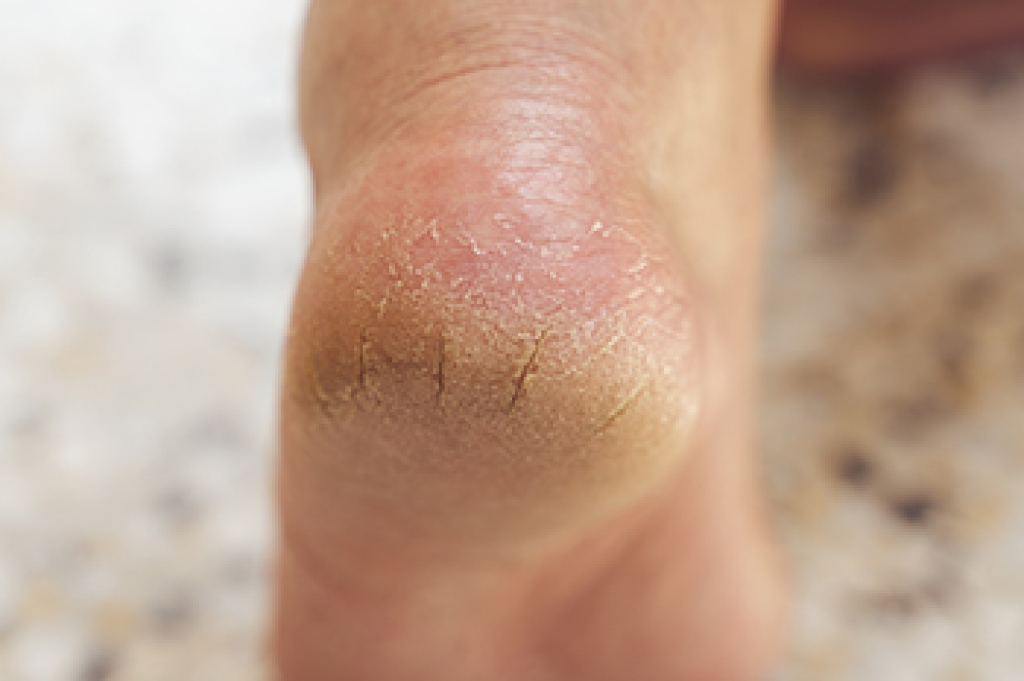
Cracked heels occur when the skin on the heel becomes dry, thick, and unable to stretch, which leads to splitting and discomfort. Vitamin deficiencies can play a major role. Vitamin E supports skin repair and moisture, vitamin C promotes collagen production for strong healthy skin, and B vitamins help maintain proper cell growth and prevent dryness. When any of these are low, the skin is more likely to break down. A podiatrist can evaluate the cause of your cracked heels, remove thick skin safely, recommend moisturizers, and guide you on proper nutrition and foot care. If cracked heels are causing pain or embarrassment, it is suggested that you schedule an appointment with a podiatrist for effective treatment and lasting relief, which may include prescribed medication.

Cracked heels are unsightly and can cause further damage to your shoes and feet. If you have any concerns, contact one of our podiatrists from Carolina Foot & Ankle Specialists. Our doctors can provide the care you need to keep you pain-free and on your feet.

Cracked Heels

Cracked heels appear unappealing and can make it harder for you walk around in sandals. Aside from looking unpleasant, cracked heels can also tear stockings, socks, and wear out your shoes. There are several methods to help restore a cracked heel and prevent further damage.

How Do You Get Them?

Dry skin is the number one culprit in creating cracked heels. Many athletes, walkers, joggers, and even swimmers suffer from cracked heels. Age and skin oil production play a role to getting cracked heels as well.

Promote Healing

Over the counter medicines can help, especially for those that need instant relief or who suffer from chronic dry feet.

Wear Socks – Wearing socks with medicated creams helps lock in moisture.

Moisturizers – Applying both day and night will help alleviate dryness which causes cracking.

Pumice Stones – These exfoliate and remove dead skin, which allows for smoother moisturizer application and better absorption into the skin. 

Change in Diet

Eating healthy with a well-balanced diet will give the skin a fresh and radiant look. Your body responds to the kinds of food you ingest. Omega-3 fatty acids and zinc supplements can also revitalize skin tissue.

Most importantly, seek professional help if unsure how to proceed in treating cracked heels. A podiatrist will help you with any questions or information needed. 

If you have any questions, please feel free to contact our offices located in Mount Pleasant and Charleston, SC . We offer the newest diagnostic and treatment technologies for all your foot care needs.

Read more about Solutions for Cracked Heels

Causes of Ankle Pain and When to Seek Podiatric Care

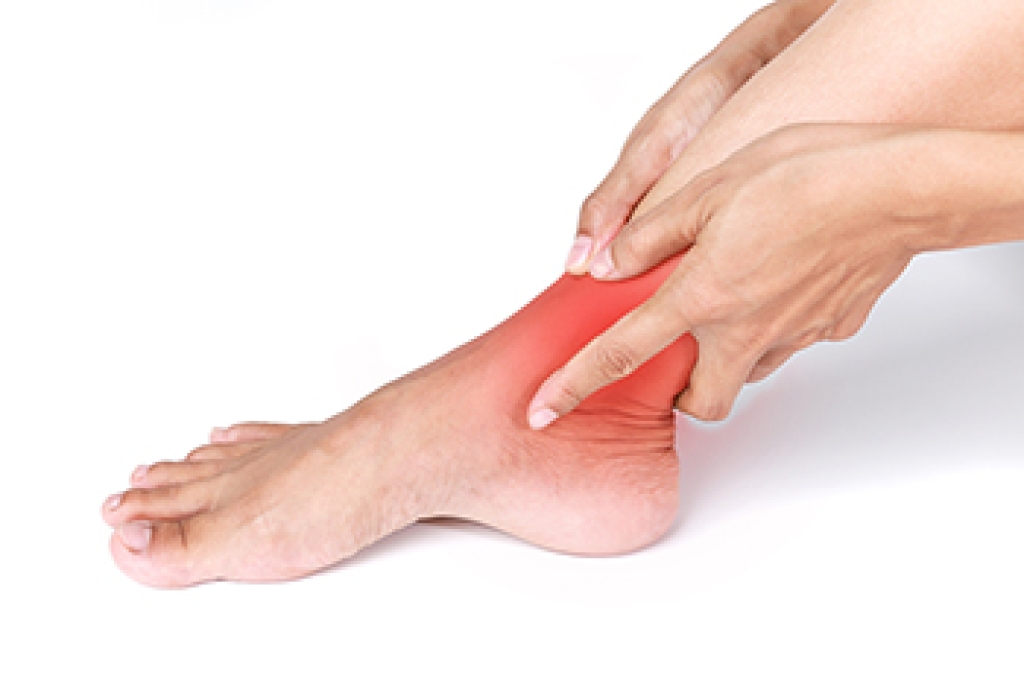
Ankle pain is a common condition that can limit mobility and affect daily activities. It refers to discomfort, swelling, or stiffness in or around the ankle joint, and may develop suddenly or over time. Causes of ankle pain include infection within the ankle joint which can lead to redness, warmth, and severe discomfort. Arthritis is another frequent cause resulting in joint inflammation, reduced motion, and ongoing pain. Blockage of blood vessels in the leg can also contribute to ankle pain by limiting circulation and slowing healing. A podiatrist can evaluate the ankle through a detailed exam and diagnostic imaging to determine the underlying cause. Treatment may include medication therapy, supportive devices, or management of circulation issues. If ankle pain is persistent or worsening, it is suggested that you consult a podiatrist who can determine what the cause is, and offer effective treatment solutions. 

Ankle pain can have many different causes and the pain may potentially be serious. If you have ankle pain, consult with one of our podiatrists from Carolina Foot & Ankle Specialists. Our doctors will assess your condition and provide you with quality foot and ankle treatment.

Ankle pain is any condition that causes pain in the ankle. Due to the fact that the ankle consists of tendons, muscles, bones, and ligaments, ankle pain can come from a number of different conditions.

Causes

The most common causes of ankle pain include:

  • Types of arthritis (rheumatoid, osteoarthritis, and gout)
  • Ankle sprains
  • Broken ankles
  • Achilles tendinitis
  • Achilles tendon rupture
  • Stress fractures
  • Tarsal tunnel syndrome
  • Plantar fasciitis

Symptoms

Symptoms of ankle injury vary based upon the condition. Pain may include general pain and discomfort, swelling, aching, redness, bruising, burning or stabbing sensations, and/or loss of sensation.

Diagnosis

Due to the wide variety of potential causes of ankle pain, podiatrists will utilize a number of different methods to properly diagnose ankle pain. This can include asking for personal and family medical histories and of any recent injuries. Further diagnosis may include sensation tests, a physical examination, and potentially x-rays or other imaging tests.

Treatment

Just as the range of causes varies widely, so do treatments. Some more common treatments are rest, ice packs, keeping pressure off the foot, orthotics and braces, medication for inflammation and pain, and surgery.

If you have any questions please feel free to contact our offices located in Mount Pleasant and Charleston, SC . We offer the newest diagnostic tools and technology to treat your foot and ankle needs.


Read more about Various Causes of Ankle Pain

Heel Pain in the Morning?

Heel pain can negatively affect your day-to-day life. Simple activities like walking can become incredibly uncomfortable or painful due to heel pain.

Don’t live with heel pain and get treated.

Rheumatoid Arthritis in the Feet and How to Manage It

Rheumatoid arthritis, or RA, is a chronic autoimmune condition that can affect the joints in the feet, causing inflammation, pain, and stiffness. The immune system attacks joint tissues, leading to swelling, warmth, and decreased mobility. Symptoms in the feet may include difficulty walking, bunion formation, hammertoes, and joint deformities over time. Causes of RA involve genetic and environmental factors, while risk factors include family history, female gender, age, and smoking. Early diagnosis and management are crucial to prevent joint damage and maintain mobility. A podiatrist can evaluate foot health, provide custom orthotics, recommend supportive footwear, and suggest targeted therapies to reduce pain and inflammation. If you have symptoms of RA in your feet, it is suggested that you schedule a podiatry consultation to protect foot function and relieve discomfort.

Because RA affects more than just your joints, including the joints in your feet and ankles, it is important to seek early diagnosis from your podiatrist if you feel like the pain in your feet might be caused by RA. For more information, contact one of our podiatrists of Carolina Foot & Ankle Specialists. Our doctors will assist you with all of your podiatric concerns.

What Is Rheumatoid Arthritis?

Rheumatoid Arthritis (RA) is an autoimmune disorder in which the body’s own immune system attacks the membranes surrounding the joints. Inflammation of the lining and eventually the destruction of the joint’s cartilage and bone occur, causing severe pain and immobility.

Rheumatoid Arthritis of the Feet

Although RA usually attacks multiple bones and joints throughout the entire body, almost 90 percent of cases result in pain in the foot or ankle area.

Symptoms

  • Swelling and pain in the feet
  • Stiffness in the feet
  • Pain on the ball or sole of feet
  • Joint shift and deformation

Diagnosis

Quick diagnosis of RA in the feet is important so that the podiatrist can treat the area effectively. Your doctor will ask you about your medical history, occupation, and lifestyle to determine the origin of the condition. Rheumatoid Factor tests help to determine if someone is affected by the disease.

If you have any questions, please feel free to contact our offices located in Mount Pleasant and Charleston, SC . We offer the newest diagnostic and treatment technologies for all your foot care needs.

Read more about Rheumatoid Arthritis in the Feet

Understanding Clubfoot and Early Care Options

Clubfoot is a congenital foot condition in which a newborn foot appears twisted inward and downward due to abnormal development of muscles, tendons, and bones. Risk increases with family history, limited space in the womb, or certain neuromuscular conditions. Common signs include a visibly rotated foot, stiffness, and differences in calf muscle size as a child grows. Although clubfoot does not cause pain at birth, it can affect walking and long-term mobility if left untreated. A podiatrist plays an important role in early diagnosis and personalized treatment, which may include gentle stretching, casting, bracing, and ongoing monitoring to support healthy foot alignment and function. Early intervention leads to excellent outcomes and improved quality of life. If your child has been born with clubfoot, it is suggested that you include a podiatrist on your health care team to begin a confident path toward proper foot development.

Congenital foot problems require immediate attention to avoid future complications. If you have any concerns, contact one of our podiatrists of Carolina Foot & Ankle Specialists. Our doctors can provide the care you need to keep you pain-free and on your feet.

Congenital foot problems are deformities affecting the feet, toes, and/or ankles that children are born with. Some of these conditions have a genetic cause while others just happen. Some specific foot ailments that children may be born with include clubfeet, polydactyly/macrodactyly, and cleft foot. There are several other foot anomalies that can occur congenitally. What all of these conditions have in common is that a child may experience difficulty walking or performing everyday activities, as well as trouble finding footwear that fits their foot deformity. Some of these conditions are more serious than others. Consulting with a podiatrist as early as possible will help in properly diagnosing a child’s foot condition while getting the necessary treatment underway.

What are Causes of Congenital Foot Problem?

A congenital foot problem is one that happens to a child at birth. These conditions can be caused by a genetic predisposition, developmental or positional abnormalities during gestation, or with no known cause.

What are Symptoms of Congenital Foot Problems?

Symptoms vary by the congenital condition. Symptoms may consist of the following:

  • Clubfoot, where tendons are shortened, bones are shaped differently, and the Achilles tendon is tight, causing the foot to point in and down. It is also possible for the soles of the feet to face each other.
  • Polydactyly, which usually consists of a nubbin or small lump of tissue without a bone, a toe that is partially formed but has no joints, or an extra toe.
  • Vertical talus, where the talus bone forms in the wrong position causing other bones in the foot to line up improperly, the front of the foot to point up, and the bottom of the foot to stiffen, with no arch, and to curve out.
  • Tarsal coalition, when there is an abnormal connection of two or more bones in the foot leading to severe, rigid flatfoot.
  • Cleft foot, where there are missing toes, a V-shaped cleft, and other anatomical differences.
  • Macrodactyly, when the toes are abnormally large due to overgrowth of the underlying bone or soft tissue.

Treatment and Prevention

While there is nothing one can do to prevent congenital foot problems, raising awareness and receiving neonatal screenings are important. Early detection by taking your child to a podiatrist leads to the best outcome possible.

If you have any questions, please feel free to contact our offices located in Mount Pleasant and Charleston, SC . We offer the newest diagnostic and treatment technologies for all your foot care needs.

Read more about Congenital Foot Problems