Exploring Reasons for Ankle Pain

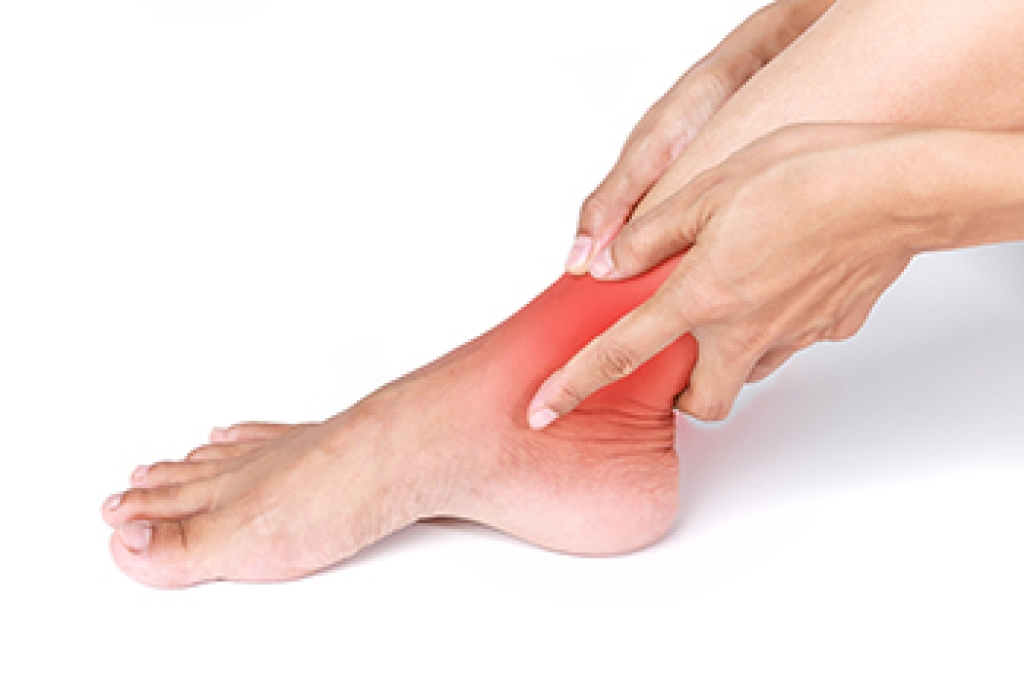
Ankle pain is discomfort affecting the ankle joint, surrounding muscles, or ligaments. It can develop gradually or occur suddenly after an injury. Pain may range from a dull ache to severe discomfort that makes walking difficult. Common symptoms include swelling, bruising, or stiffness. Tenderness, and reduced movement are also common. Ankle pain can affect daily activities, especially while standing, walking, or exercising. Understanding the cause can help guide appropriate care and prevent symptoms from becoming worse.

Several factors can contribute to ankle pain. Excessive exercise may place repeated stress on muscles, tendons, and joints, especially when activity increases too quickly. Wearing tight shoes can also create pressure around the ankle and affect foot movement. Other causes include sprains, tendon irritation, or overuse. Risk factors may include previous ankle injuries, physically demanding activities, and sudden changes in exercise routines. Paying attention to discomfort can help prevent minor problems from progressing.


A podiatrist can evaluate ankle pain by reviewing your symptoms, activity level, and injury history. The examination may assess swelling, tenderness, and foot strength. They may also check flexibility, and walking mechanics. Imaging tests may be recommended when a fracture or significant structural problem is suspected. Treatment depends on the underlying cause. A podiatrist may recommend activity modification, supportive footwear, or targeted exercises. More involved care may include bracing, physical therapy, or other treatments designed to reduce pain and restore ankle function.


Do not ignore ankle pain that persists, becomes severe, or interferes with movement. Resting from aggravating activities and wearing comfortable shoes may help reduce irritation. However, continued symptoms require a podiatric evaluation to identify the source and prevent further damage. Your podiatrist can develop a treatment plan based on your needs and monitor your progress during recovery. If you have ankle pain, it is suggested that you consult a podiatrist for an accurate diagnosis and appropriate treatment.

Ankle pain can have many different causes and the pain may potentially be serious. If you have ankle pain, consult with one of our podiatrists from Carolina Foot & Ankle Specialists. Our doctors will assess your condition and provide you with quality foot and ankle treatment.

Ankle pain is any condition that causes pain in the ankle. Due to the fact that the ankle consists of tendons, muscles, bones, and ligaments, ankle pain can come from a number of different conditions.

Causes

The most common causes of ankle pain include:

  • Types of arthritis (rheumatoid, osteoarthritis, and gout)
  • Ankle sprains
  • Broken ankles
  • Achilles tendinitis
  • Achilles tendon rupture
  • Stress fractures
  • Tarsal tunnel syndrome
  • Plantar fasciitis

Symptoms

Symptoms of ankle injury vary based upon the condition. Pain may include general pain and discomfort, swelling, aching, redness, bruising, burning or stabbing sensations, and/or loss of sensation.

Diagnosis

Due to the wide variety of potential causes of ankle pain, podiatrists will utilize a number of different methods to properly diagnose ankle pain. This can include asking for personal and family medical histories and of any recent injuries. Further diagnosis may include sensation tests, a physical examination, and potentially x-rays or other imaging tests.

Treatment

Just as the range of causes varies widely, so do treatments. Some more common treatments are rest, ice packs, keeping pressure off the foot, orthotics and braces, medication for inflammation and pain, and surgery.

If you have any questions please feel free to contact our offices located in Mount Pleasant and Charleston, SC . We offer the newest diagnostic tools and technology to treat your foot and ankle needs.

Read more about Ankle Pain

Why Live with Pain and Numbness in Your Feet?

Suffering from this type of pain? You may have the foot condition known as Morton's neuroma. Morton's neuroma may develop as a result of ill-fitting footwear and existing foot deformities. We can help.

Painful Foot Corns and Why They Develop

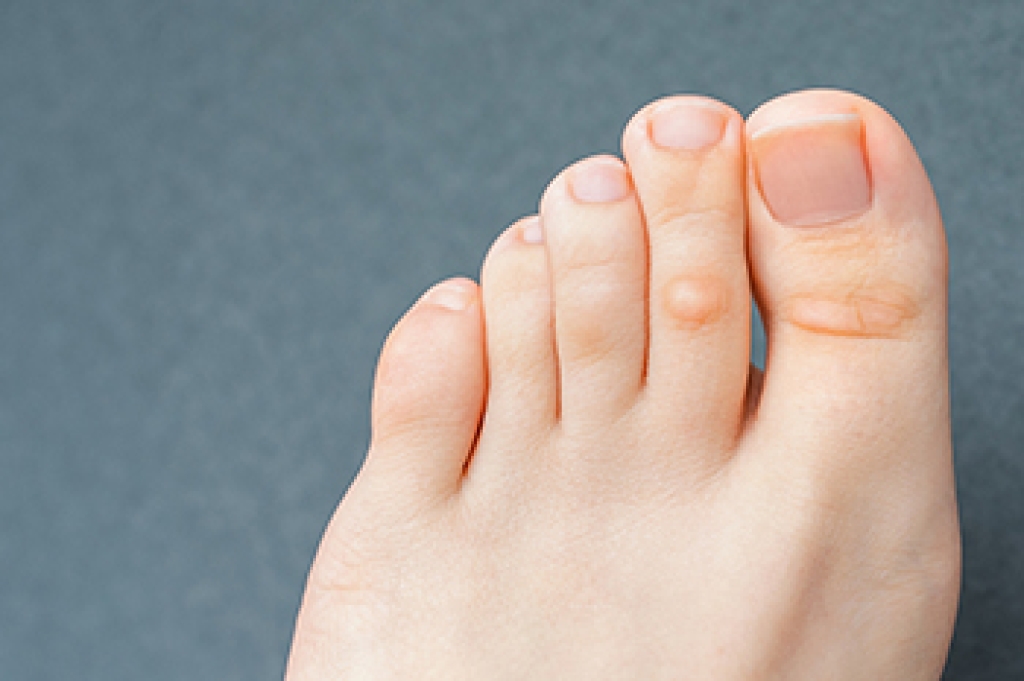
A foot corn is a hard, cone-shaped bump of thickened skin that usually develops on the top surface of a smaller toe over a joint. Corns can also form along the pinky toe, especially where footwear creates repeated pressure. The thickened area develops as the skin protects itself from friction and stress. It can become painful when pressure pushes the hardened center into deeper tissue. Symptoms can include tenderness, aching, and pain while walking or wearing shoes.

The main causes of foot corns are repeated friction and pressure. Tight shoes can press against the toes, while a narrow toe box may force smaller toes into an uncomfortable position. Socks that bunch inside shoes can add rubbing. Toe deformities, including hammertoes, can also place a joint against the inside of footwear. The pinky toe is vulnerable because it can rub against the side of a shoe. People who spend long periods standing or walking may experience greater pressure.


A podiatrist can determine whether a corn is causing your discomfort and check for an underlying toe problem. Treatment may begin with gently removing excess thickened skin when appropriate. Your podiatrist may recommend wider shoes, protective padding, or custom orthotics to reduce pressure. Do not try to remove a corn yourself because this can injure healthy skin and cause an infection.


A painful foot corn should not be ignored. Changing footwear can help reduce pressure, but recurring corns may signal a structural issue that needs attention. A podiatrist can explain why the corn developed and create a treatment plan focused on healing and prevention. Properly fitted shoes can make walking easier while protecting your toes. Foot corns can be painful and may cause difficulty in completing daily activities. If you have a foot corn, it is suggested that you consult a podiatrist for effective relief and treatment solutions.

If you have any concerns regarding your feet and ankles, contact one of our podiatrists of Carolina Foot & Ankle Specialists. Our doctors will treat your foot and ankle needs.

Corns: What Are They? and How Do You Get Rid of Them?
Corns can be described as areas of the skin that have thickened to the point of becoming painful or irritating. They are often layers and layers of the skin that have become dry and rough, and are normally smaller than calluses.

Ways to Prevent Corns
There are many ways to get rid of painful corns such as wearing:

  • Well-fitting socks
  • Comfortable shoes that are not tight around your foot
  • Shoes that offer support

Treating Corns
Treatment of corns involves removing the dead skin that has built up in the specific area of the foot. Consult with Our doctors to determine the best treatment option for your case of corns.

If you have any questions, please feel free to contact our offices located in Mount Pleasant and Charleston, SC . We offer the newest diagnostic and treatment technologies for all your foot care needs.

Read more about Corns and Calluses

Cracked Heels and the Pressure of Daily Habits

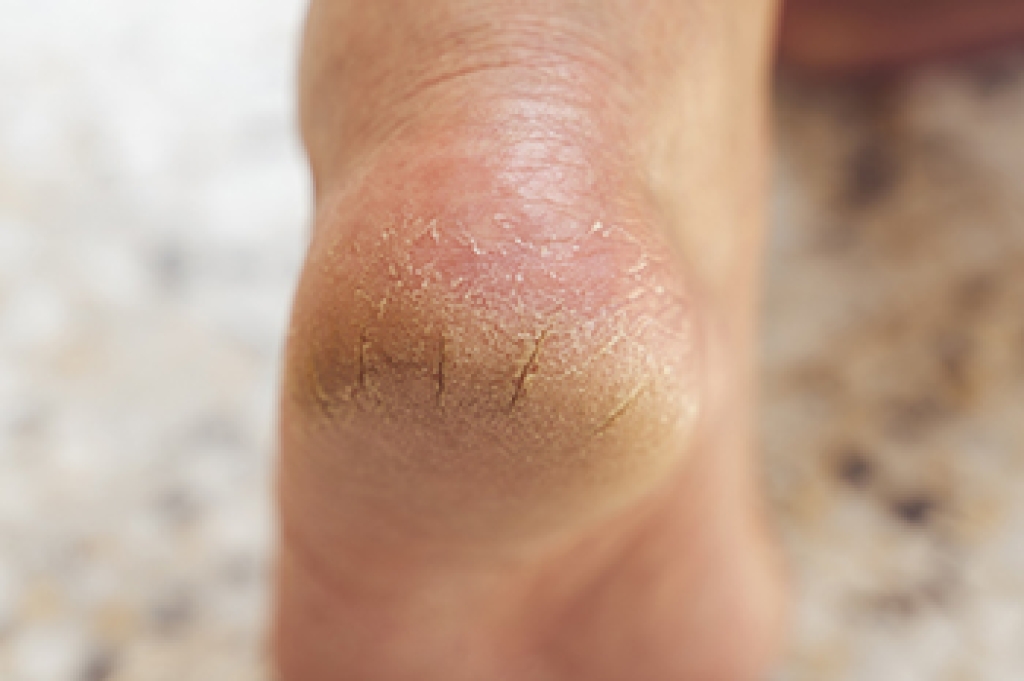
Cracked heels develop when dry, thickened skin around the heel loses flexibility and begins to split. These splits, also called heel fissures, may start as small lines and gradually become deeper. Symptoms can include itching, redness, and rough skin. More serious cracks may bleed and become painful during walking. Because the heels support much of the body's weight, repeated pressure can make the condition worse and interfere with comfortable daily activities.

Several everyday habits can increase the risk of cracked heels. Standing for long periods of time places repeated pressure on the heel and may cause dry skin to split. Walking barefoot offers little protection from rough surfaces and can increase friction. Being overweight may place additional pressure on the heels. Other risk factors include dry skin, wearing poorly fitting footwear, and prolonged exposure to dry environments. People who notice thick, callused skin should take steps to keep their heels protected and moisturized.


A podiatrist can examine the heels and determine how deep the cracks have become. The skin may be carefully reduced to remove thickened areas that contribute to pressure. A podiatrist may recommend a medical-grade moisturizer or protective dressing to support healing. Supportive footwear can also help reduce stress on the heels. If bleeding, infection, or another skin condition is present, additional treatment may be needed. Following podiatric guidance can help the skin heal safely and lower the chance of recurring fissures.


You can help prevent cracked heels by moisturizing regularly and wearing supportive shoes that protect the heel. Avoid walking barefoot on hard surfaces when possible. If standing is required for work, take opportunities to rest your feet throughout the day. Do not cut or aggressively scrape thickened skin at home. Persistent itching, redness, or bleeding should be evaluated promptly. If you have painful cracked heels, it is suggested that you consult a podiatrist for effective treatment solutions, which may include prescribed medication.

Cracked heels are unsightly and can cause further damage to your shoes and feet. If you have any concerns, contact one of our podiatrists from Carolina Foot & Ankle Specialists. Our doctors can provide the care you need to keep you pain-free and on your feet.

Cracked Heels

Cracked heels appear unappealing and can make it harder for you walk around in sandals. Aside from looking unpleasant, cracked heels can also tear stockings, socks, and wear out your shoes. There are several methods to help restore a cracked heel and prevent further damage.

How Do You Get Them?

Dry skin is the number one culprit in creating cracked heels. Many athletes, walkers, joggers, and even swimmers suffer from cracked heels. Age and skin oil production play a role to getting cracked heels as well.

Promote Healing

Over the counter medicines can help, especially for those that need instant relief or who suffer from chronic dry feet.

Wear Socks – Wearing socks with medicated creams helps lock in moisture.

Moisturizers – Applying both day and night will help alleviate dryness which causes cracking.

Pumice Stones – These exfoliate and remove dead skin, which allows for smoother moisturizer application and better absorption into the skin. 

Change in Diet

Eating healthy with a well-balanced diet will give the skin a fresh and radiant look. Your body responds to the kinds of food you ingest. Omega-3 fatty acids and zinc supplements can also revitalize skin tissue.

Most importantly, seek professional help if unsure how to proceed in treating cracked heels. A podiatrist will help you with any questions or information needed. 

If you have any questions, please feel free to contact our offices located in Mount Pleasant and Charleston, SC . We offer the newest diagnostic and treatment technologies for all your foot care needs.

Read more about Solutions for Cracked Heels

Choosing Shoes for Healthy Running

Running shoes do more than provide comfort during a workout. They are designed to handle the repeated impact that occurs when running on hard surfaces such as pavement. Road running shoes often include cushioning in the heel and forefoot to absorb shock and reduce stress on the feet and joints. Support is another important feature, because runners have different foot types and movement patterns. Some shoes are designed to provide added stability when the foot rolls inward during running, a movement known as pronation. Choosing appropriate running footwear can support comfortable movement and help reduce the risk of overuse injuries.


A good running shoe should balance cushioning, support, and flexibility. Breathable materials can help keep the feet comfortable, while durable outsoles provide traction on paved surfaces. Fit is also important for foot health. The toe box should provide enough space for the toes to move without allowing the entire foot to slide inside the shoe. The heel should remain secure without uncomfortable slipping. Runners should also consider their foot shape and pronation when selecting footwear. Since different runners have different needs, the amount of cushioning or support that feels comfortable can vary from person to person.


A podiatrist can evaluate a runner’s foot structure and movement to help identify factors that may influence footwear needs. This can be especially helpful for those who experience recurring foot pain or have difficulty finding comfortable running shoes. A podiatrist can assess foot type and pronation while examining whether pain may be related to running mechanics. Podiatric evaluation can also help determine whether a running-related foot problem requires treatment rather than simply a change in footwear. Selecting shoes that match the runner’s individual needs can support comfort and healthy movement during training. If running regularly causes foot or ankle pain or makes choosing appropriate footwear difficult, it is suggested that you consult a podiatrist for an evaluation and personalized recommendations.

For more information about walking shoes versus running shoes, consult with one of our podiatrists from Carolina Foot & Ankle Specialists. Our doctors can measure your feet to determine what your needs are and help you find an appropriate pair of footwear.

Foot Health: The Differences between Walking & Running Shoes

There are great ways to stay in shape: running and walking are two great exercises to a healthy lifestyle. It is important to know that running shoes and walking shoes are not interchangeable. There is a key difference on how the feet hit the ground when someone is running or walking. This is why one should be aware that a shoe is designed differently for each activity.

You may be asking yourself what the real differences are between walking and running shoes and the answers may shock you.

Differences

Walking doesn’t involve as much stress or impact on the feet as running does. However, this doesn’t mean that you should be any less prepared. When you’re walking, you land on your heels and have your foot roll forward. This rolling motion requires additional support to the feet.

Flexibility – Walking shoes are designed to have soft, flexible soles. This allows the walker to push off easily with each step.

If you have any questions, please feel free to contact our offices located in Mount Pleasant and Charleston, SC . We offer the newest diagnostic and treatment technologies for all your foot care needs.

Read more about Walking Shoes vs. Running Shoes