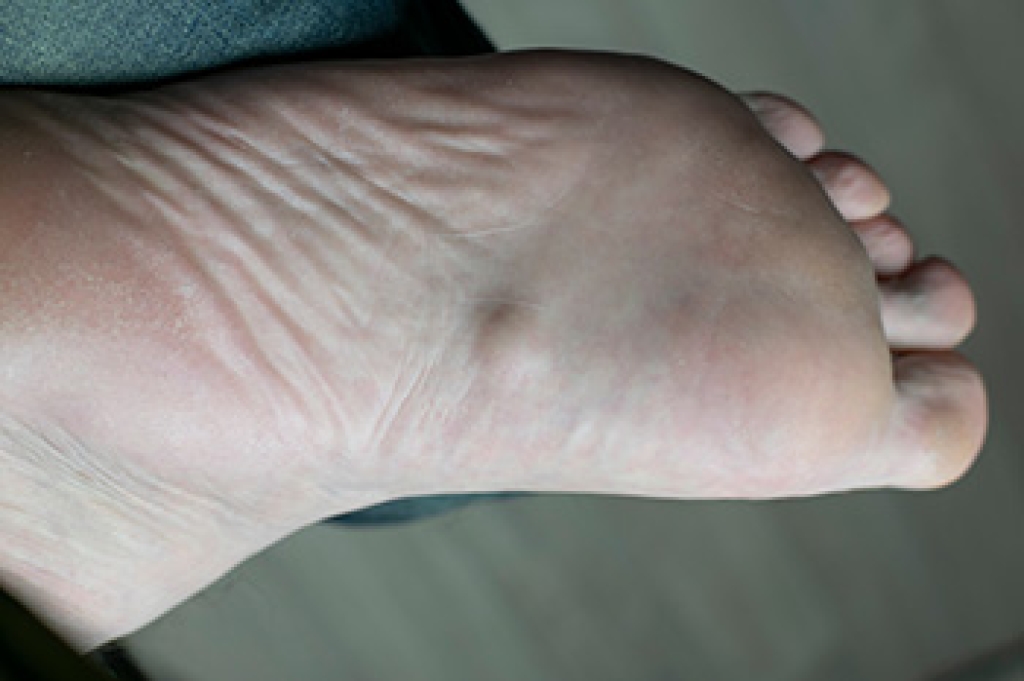
Diagnosis and Treatment of Plantar Fibroma

A firm lump beneath the arch of the foot can sometimes make each step uncomfortable. One possible cause is a plantar fibroma, a noncancerous growth within the plantar fascia. This strong band of tissue runs along the bottom of the foot, connecting the heel to the toes and supporting the arch. The growth consists of thickened fibrous tissue and develops in one or both feet. Its exact cause remains unclear. Although a plantar fibroma is not cancer, a new lump requires a podiatric evaluation because other foot problems produce similar bumps. A podiatrist identifies the cause and determines whether treatment is appropriate.

A plantar fibroma usually feels like a firm knot under the skin. Some growths stay small, while others enlarge or appear alongside additional lumps. Not every plantar fibroma causes pain. Discomfort typically develops when pressure pushes against the growth, whether from shoes or the ground beneath the foot. Patients sometimes notice tenderness while walking or standing barefoot. As pressure increases, ordinary activities become harder to manage. The location of the lump also affects how much discomfort it causes. Changes in the size of a growth or increasing pain warrant another examination, even after a previous diagnosis.

During an appointment, a podiatrist asks when the lump appeared and how it affects daily activities. The examination includes checking its size, feeling its firmness, and assessing tenderness. The podiatrist also evaluates the surrounding tissue and foot structure. Imaging helps clarify uncertain findings. An ultrasound or MRI  scan provides a closer view of the growth and its relationship to the plantar fascia. In some cases, a biopsy confirms the diagnosis. This procedure involves removing a small tissue sample for examination. These steps help distinguish a plantar fibroma from other causes of a lump and guide an appropriate treatment plan.

Treatment focuses on reducing pressure and improving comfort. A podiatrist prescribes custom orthotics, or shoe inserts, designed to redirect weight away from the lump. Professional padding and footwear recommendations also help address pressure against the arch. These approaches relieve symptoms without necessarily removing the growth. For persistent pain despite nonsurgical care, a podiatrist discusses surgery and its potential risks. The growth sometimes returns after removal, and surgery carries risks of scarring or changes in arch support. Follow-up appointments help assess symptoms and monitor recurrence. If you have developed a plantar fibroma, it is suggested that you schedule an appointment with a podiatrist for effective relief and management solutions.

Foot Pain

Foot pain can be extremely painful and debilitating. If you have a foot pain, consult with one of our podiatrists from Carolina Foot & Ankle Specialists. Our doctors will assess your condition and provide you with quality foot and ankle treatment.

Causes

Foot pain is a very broad condition that could be caused by one or more ailments. The most common include:

  • Bunions
  • Hammertoes
  • Plantar Fasciitis
  • Bone Spurs
  • Corns
  • Tarsal Tunnel Syndrome
  • Ingrown Toenails
  • Arthritis (such as Gout, Rheumatoid, and Osteoarthritis)
  • Flat Feet
  • Injury (from stress fractures, broken toe, foot, ankle, Achilles tendon ruptures, and sprains)
  • And more

Diagnosis

To figure out the cause of foot pain, podiatrists utilize several different methods. This can range from simple visual inspections and sensation tests to X-rays and MRI scans. Prior medical history, family medical history, and any recent physical traumatic events will all be taken into consideration for a proper diagnosis.

Treatment

Treatment depends upon the cause of the foot pain. Whether it is resting, staying off the foot, or having surgery; podiatrists have a number of treatment options available for foot pain.

If you have any questions, please feel free to contact our offices located in Mount Pleasant and Charleston, SC . We offer the newest diagnostic and treatment technologies for all your foot care needs.

Read more about Foot Pain

Balance Exercises for Seniors to Help Prevent Falls

As we age, changes in strength and balance can make walking and standing less steady. Balance exercises for seniors help improve stability and reduce the risk of falls. These exercises are designed to strengthen the muscles used to control body movements and help people feel more confident during everyday activities. Since foot pain, reduced sensation, and poorly fitting shoes can affect balance, keeping feet healthy is also important. Before starting a new routine, seniors should choose a safe area and keep a sturdy chair or counter nearby for support. 

The single-leg stance is a simple balance exercise that helps improve stability while standing. Begin by standing behind a sturdy chair and holding on to it with both hands. Slowly lift one foot a few inches off the floor while keeping your body upright. Hold the position for several seconds, then lower your foot and repeat on the other side. This exercise helps strengthen the muscles that keep you balanced while standing and performing daily tasks.


Tree pose offers another way to practice balance while building body awareness. Stand tall beside a wall or sturdy chair, then shift your weight onto one foot. Place the sole of your other foot against your ankle or lower calf, avoiding pressure against your knee. Keep your hands on the chair if needed and hold the position briefly before switching sides. Heel-toe raises also support balance by strengthening the lower legs. Hold onto a chair, rise slowly onto your toes, and lower your heels. Next, lift your toes while keeping your heels down, then return to standing. 


Even with regular exercise, falls still happen and cause foot injuries. A podiatrist examines the foot, checks for swelling and tenderness, and orders X-rays when a fracture is suspected. Treatment may involve wearing supportive footwear, a walking boot, or a cast, depending on the injury. If you have injured your feet in a fall, it is suggested that you consult a podiatrist for effective treatment solutions, and additional balance exercises.

Preventing falls among the elderly is very important. If you are older and have fallen or fear that you are prone to falling, consult with one of our podiatrists from Carolina Foot & Ankle Specialists. Our doctors will assess your condition and provide you with quality advice and care.

Every 11 seconds, an elderly American is being treated in an emergency room for a fall related injury. Falls are the leading cause of head and hip injuries for those 65 and older. Due to decreases in strength, balance, senses, and lack of awareness, elderly persons are very susceptible to falling. Thankfully, there are a number of things older persons can do to prevent falls.

How to Prevent Falls

Some effective methods that older persons can do to prevent falls include:

  • Enrolling in strength and balance exercise program to increase balance and strength
  • Periodically having your sight and hearing checked
  • Discuss any medications you have with a doctor to see if it increases the risk of falling
  • Clearing the house of falling hazards and installing devices like grab bars and railings
  • Utilizing a walker or cane
  • Wearing shoes that provide good support and cushioning
  • Talking to family members about falling and increasing awareness

Falling can be a traumatic and embarrassing experience for elderly persons; this can make them less willing to leave the house, and less willing to talk to someone about their fears of falling. Doing such things, however, will increase the likelihood of tripping or losing one’s balance. Knowing the causes of falling and how to prevent them is the best way to mitigate the risk of serious injury.  

If you have any questions, please feel free to contact our offices located in Mount Pleasant and Charleston, SC . We offer the newest diagnostic and treatment technologies for all your foot care needs.

Read more about Falls Prevention