Let the Expert Treat Your Ingrown Toenails

Ingrown toenails can be painful and can make wearing shoes or walking uncomfortable. Seek professional help if you believe you've developed an ingrown toenail and be treated safely. 

Painful Corns on the Feet

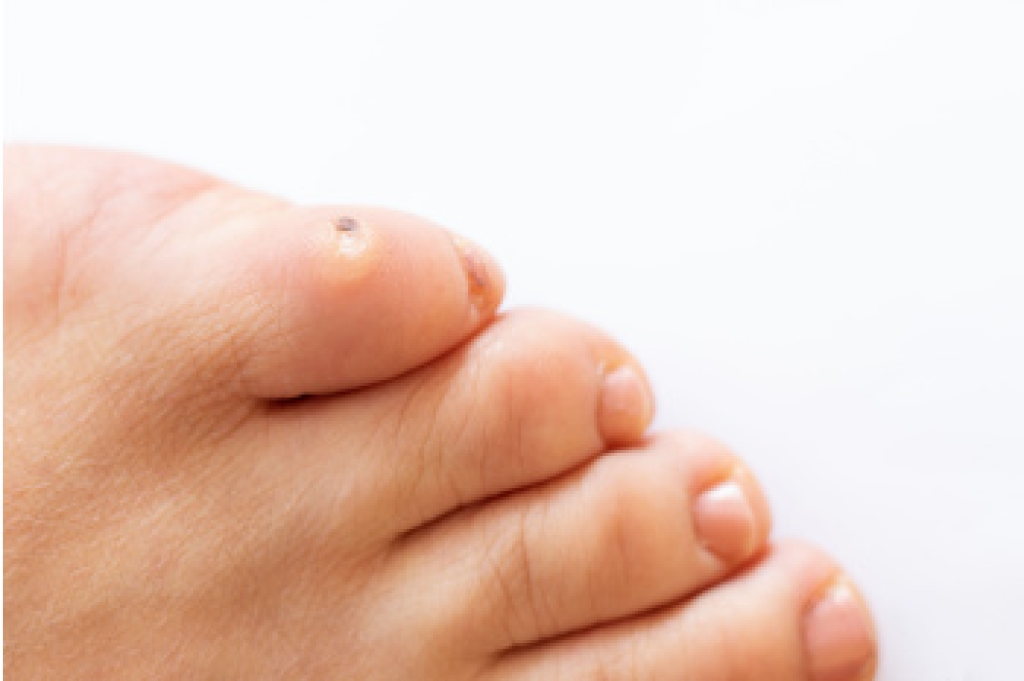
Corns are thickened areas of skin that develop in response to repeated pressure or friction, often caused by tight footwear, abnormal foot structure, or gait issues. They may appear as small, hard, circular patches of skin that are yellowish or translucent, sometimes with a firm core at the center. Corns often feel tender or sharp when pressed, and walking can become uncomfortable when the pressure increases. Some individuals may notice soreness, burning, or irritation around the affected area. A podiatrist can begin by carefully examining the foot to determine the cause of the corn and to rule out other conditions. Treatment may include gentle removal of the thickened skin, offloading with padding, advice on proper footwear, or custom orthotics to reduce pressure and prevent recurrence. In some cases, a podiatrist may address underlying biomechanical issues to support long-term relief. If you notice persistent discomfort or thickened skin on your feet, it is suggested that you make an appointment with a podiatrist. 

If you have any concerns regarding your feet and ankles, contact one of our podiatrists of Carolina Foot & Ankle Specialists. Our doctors will treat your foot and ankle needs.

Corns: What Are They? and How Do You Get Rid of Them?
Corns can be described as areas of the skin that have thickened to the point of becoming painful or irritating. They are often layers and layers of the skin that have become dry and rough, and are normally smaller than calluses.

Ways to Prevent Corns
There are many ways to get rid of painful corns such as wearing:

  • Well-fitting socks
  • Comfortable shoes that are not tight around your foot
  • Shoes that offer support

Treating Corns
Treatment of corns involves removing the dead skin that has built up in the specific area of the foot. Consult with Our doctors to determine the best treatment option for your case of corns.

If you have any questions, please feel free to contact our offices located in Mount Pleasant and Charleston, SC . We offer the newest diagnostic and treatment technologies for all your foot care needs.

Read more about Corns: What Are They, and How Do You Get Rid of Them

Pain in Different Areas of the Foot

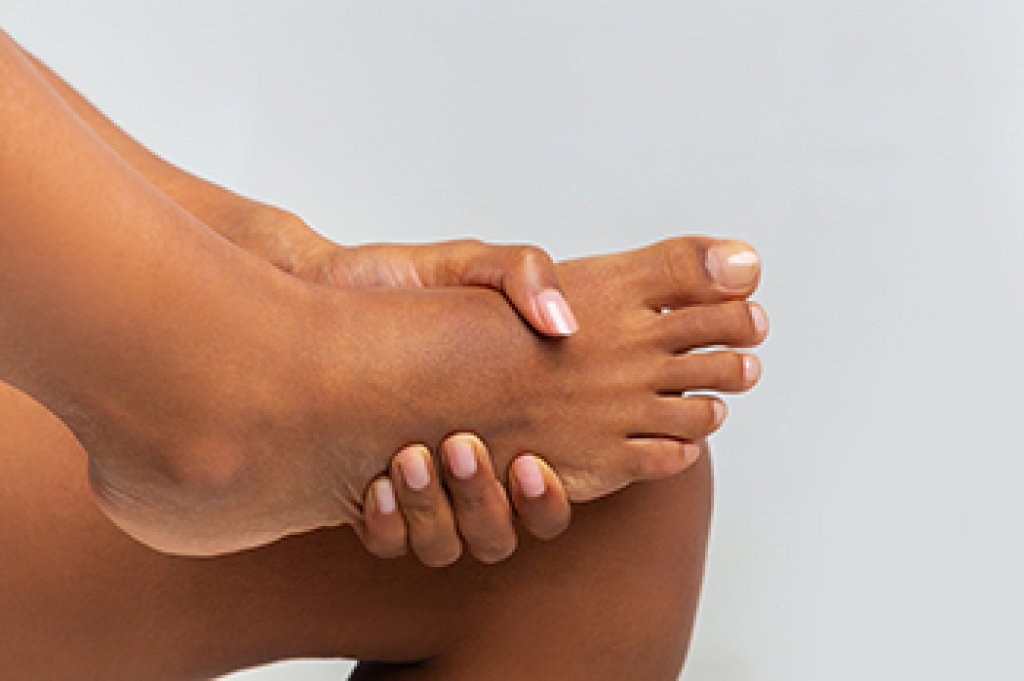
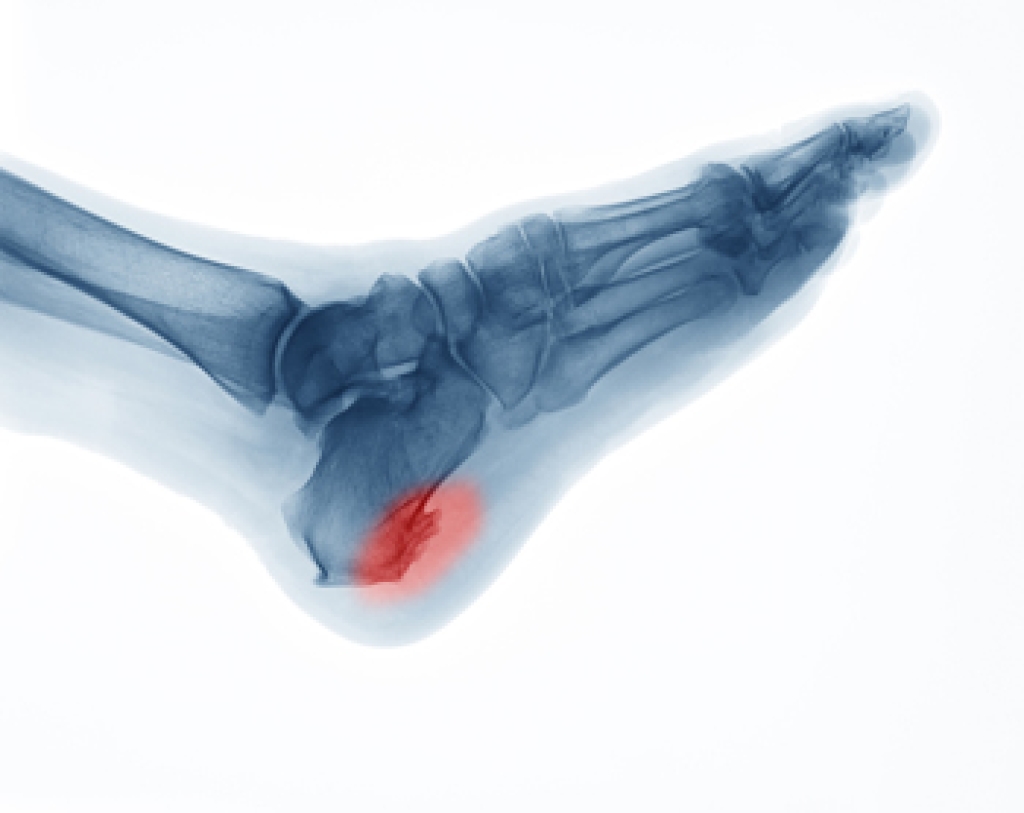
Foot pain can develop in almost any area, and each spot can tell a different story. Discomfort in the heel may be caused by plantar fasciitis or heel spurs, while aching in the arch often points to strain, flat feet, or tendon irritation. Pain across the top of the foot may come from wearing tight shoes, joint inflammation, or small stress fractures. Pain near the toes, bunions, hammertoes, or pinched nerves can make walking uncomfortable. Because the foot’s structure is so intricate, even a small imbalance or change in gait can create widespread discomfort. A podiatrist can pinpoint the true source of pain and provide targeted treatment, from custom orthotics and footwear guidance to targeted exercises and pain relief options. If foot pain is keeping you from moving comfortably, it is suggested that you schedule an appointment with a podiatrist for evaluation and appropriate care.

Foot Pain

Foot pain can be extremely painful and debilitating. If you have a foot pain, consult with one of our podiatrists from Carolina Foot & Ankle Specialists. Our doctors will assess your condition and provide you with quality foot and ankle treatment.

Causes

Foot pain is a very broad condition that could be caused by one or more ailments. The most common include:

  • Bunions
  • Hammertoes
  • Plantar Fasciitis
  • Bone Spurs
  • Corns
  • Tarsal Tunnel Syndrome
  • Ingrown Toenails
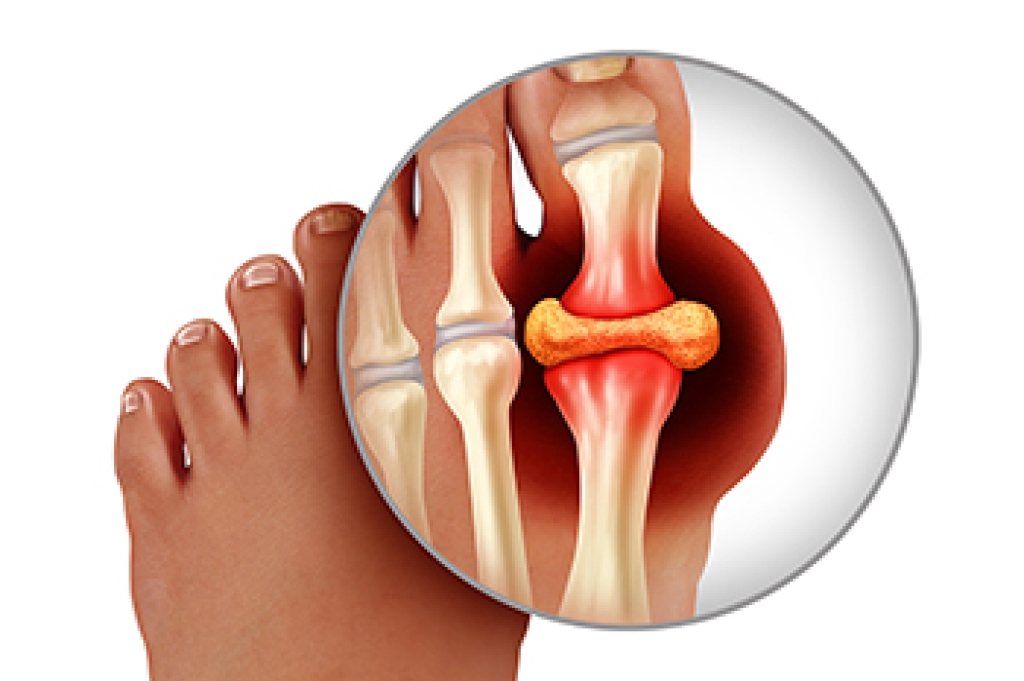
  • Arthritis (such as Gout, Rheumatoid, and Osteoarthritis)
  • Flat Feet
  • Injury (from stress fractures, broken toe, foot, ankle, Achilles tendon ruptures, and sprains)
  • And more

Diagnosis

To figure out the cause of foot pain, podiatrists utilize several different methods. This can range from simple visual inspections and sensation tests to X-rays and MRI scans. Prior medical history, family medical history, and any recent physical traumatic events will all be taken into consideration for a proper diagnosis.

Treatment

Treatment depends upon the cause of the foot pain. Whether it is resting, staying off the foot, or having surgery; podiatrists have a number of treatment options available for foot pain.

If you have any questions, please feel free to contact our offices located in Mount Pleasant and Charleston, SC . We offer the newest diagnostic and treatment technologies for all your foot care needs.
Read more about Foot Pain

The Unwanted Guest on Your Toenail

If your toenails look discolored, thick, or crumbly, you may be hosting an unwelcome visitor, a fungal infection. Medically known as onychomycosis, this common condition starts small but can grow into a significant issue, causing embarrassment and discomfort. Fungi love to hide in warm, moist places like the inside of your shoes and socks. Once the infection takes hold, it slowly spreads beneath the nail, making it brittle and often giving it a cloudy yellow or white appearance. This is not simply a cosmetic concern. Untreated fungus can cause pain and sometimes lead to secondary bacterial infections. Many over-the-counter remedies fail to reach the fungus deep within the nail. For an accurate diagnosis and effective treatment options, including oral medication, or prescription topicals, it is suggested that you visit a podiatrist for proper treatment.

For more information about treatment, contact one of our podiatrists of Carolina Foot & Ankle Specialists. Our doctors can provide the care you need to keep you pain-free and on your feet.

Toenail Fungus Treatment

Toenail fungus is a condition that affects many people and can be especially hard to get rid of. Fortunately, there are several methods to go about treating and avoiding it.

Antifungals & Deterrence

Oral antifungal medicine has been shown to be effective in many cases. It is important to consult with a podiatrist to determine the proper regiment for you, or potentially explore other options.

Applying foot powder on the feet and shoes helps keep the feet free of moisture and sweat.

Sandals or open toed shoes – Wearing these will allow air movement and help keep feet dry. They also expose your feet to light, which fungus cannot tolerate. Socks with moisture wicking material also help as well.

If you have any questions please contact our offices located in Mount Pleasant and Charleston, SC . We offer the newest diagnostic and treatment technologies for all your foot and ankle needs.

Read more about Toenail Fungus