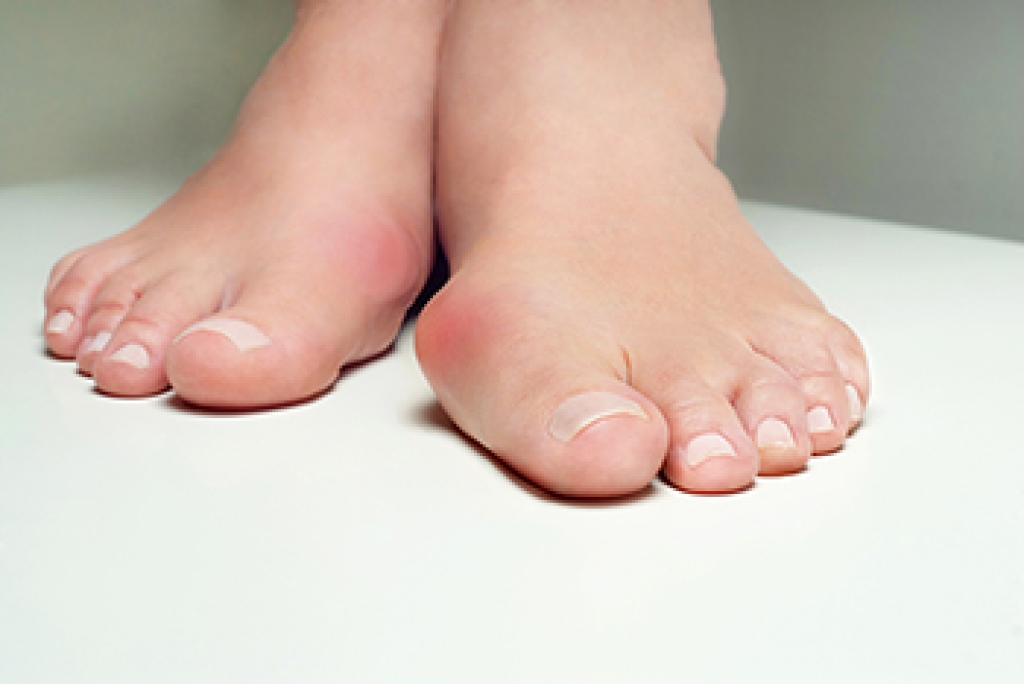
A bunion is a structural foot condition that develops as a bony bump at the base of the big toe. It forms when the top of the toe shifts out of alignment, causing it to lean toward the others. This misalignment places pressure on the joint and surrounding tissues, often leading to discomfort over time. Bunions are a progressive condition, meaning they can worsen without proper care. They are more commonly seen in women, largely due to footwear choices and anatomical differences in foot structure.
Pain from a bunion often begins with visible swelling at the base of the big toe. The area may appear red, inflamed, and tender to the touch. Many individuals experience pain when walking or wearing shoes, especially styles that compress the toes. As the condition progresses, stiffness and limited movement in the joint may develop. Some individuals also notice thickened skin or callus formation due to repeated friction against footwear.
Several causes contribute to bunion development. Wearing high-heeled shoes or tight-fitting footwear places excessive pressure on the front of the foot and forces the toes into an unnatural position. Genetics also play a significant role, as inherited foot structure can increase the likelihood of joint misalignment. Hormonal changes during pregnancy or menopause may further weaken supportive tissues, allowing the condition to progress. Over time, these combined factors can lead to persistent discomfort and structural changes in the foot.
Risk factors include prolonged use of narrow shoes, family history of bunions, occupations that require extended standing, and underlying foot mechanics. Women are at higher risk due to footwear habits and ligament flexibility. Managing bunions involves wearing supportive shoes, reducing pressure on the joint, and maintaining proper foot alignment. Early care can help slow progression and improve comfort. If you have a painful or uncomfortable bunion, it is suggested that you consult a podiatrist for effective relief and management solutions.
If you are suffering from bunion pain, contact one of our podiatrists of Carolina Foot & Ankle Specialists. Our doctors can provide the care you need to keep you pain-free and on your feet.
What Is a Bunion?
Bunions are painful bony bumps that usually develop on the inside of the foot at the joint of the big toe. As the deformity increases over time, it may become painful to walk and wear shoes. Women are more likely to exacerbate existing bunions since they often wear tight, narrow shoes that shift their toes together. Bunion pain can be relieved by wearing wider shoes with enough room for the toes.
Causes
- Genetics – some people inherit feet that are more prone to bunion development
- Inflammatory Conditions - rheumatoid arthritis and polio may cause bunion development
Symptoms
- Redness and inflammation
- Pain and tenderness
- Callus or corns on the bump
- Restricted motion in the big toe
In order to diagnose your bunion, your podiatrist may ask about your medical history, symptoms, and general health. Your doctor might also order an x-ray to take a closer look at your feet. Nonsurgical treatment options include orthotics, padding, icing, changes in footwear, and medication. If nonsurgical treatments don’t alleviate your bunion pain, surgery may be necessary.
If you have any questions, please feel free to contact our offices located in Mount Pleasant and Charleston, SC . We offer the newest diagnostic and treatment technologies for all your foot care needs.