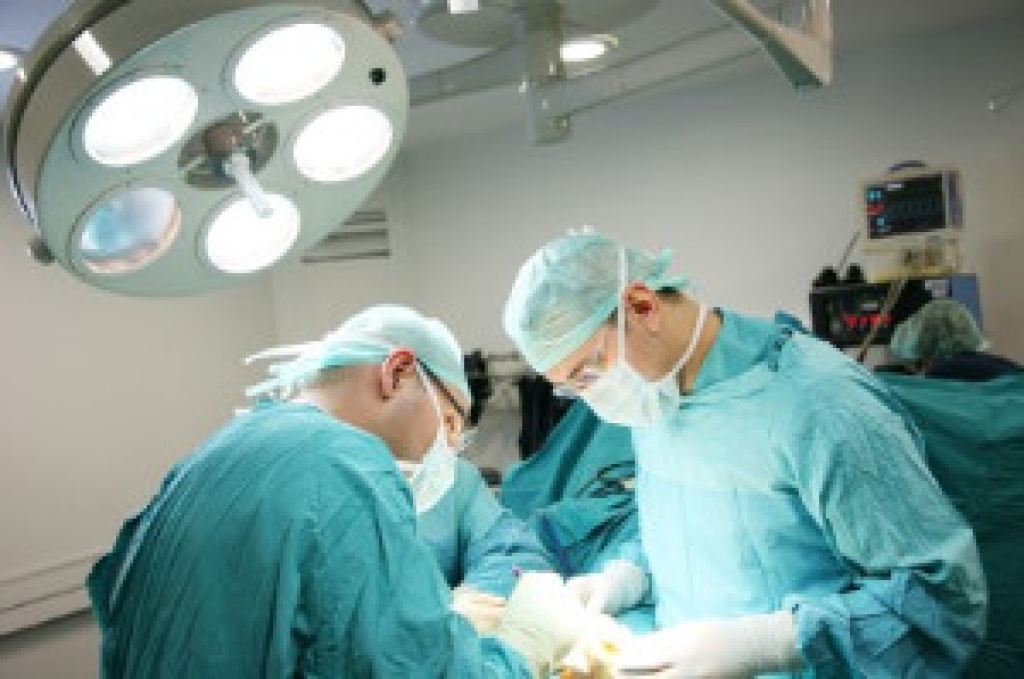
Ankle fusion surgery is used to join the bones of a damaged ankle joint so they heal into one stable connection. This procedure is also called ankle arthrodesis. The goal is to reduce severe pain and improve stability when an ankle has become badly damaged. Fusion does not restore normal ankle motion, but it can make walking more comfortable by removing painful movement. This surgery is generally considered when other treatments have not provided enough relief.
Ankle arthritis is a common reason for fusion surgery. It can develop after an injury, repeated stress, or years of joint wear. Severe joint damage from inflammatory arthritis or previous fractures may also cause ongoing pain. Symptoms include ankle stiffness, swelling, and pain while walking. A podiatrist or podiatric surgeon will evaluate the ankle and use imaging tests to determine whether fusion is appropriate.
There are two main approaches to ankle fusion. Open ankle fusion uses an incision that allows the surgeon to directly access the joint, remove damaged cartilage, and prepare the bones for healing. Arthroscopic ankle fusion uses a camera and specialized instruments through smaller incisions. The surgeon removes damaged cartilage and positions the bones so they can fuse together. The choice depends on joint damage, anatomy, and the podiatric surgeon's assessment. Screws or other fixation devices may be used to hold the bones securely while they heal.
After surgery, careful protection of the ankle is important. A podiatrist may prescribe a cast or boot and provide instructions for limiting weight on the surgical foot. Follow-up visits and imaging tests help monitor bone healing and alignment. Pain management and incision care are also part of recovery. The podiatrist will explain when it is safe to gradually increase activity. If you have ankle pain that may require ankle fusion surgery, it is suggested that you consult a podiatrist who can determine if this type of surgery is right for you.
Foot surgery is sometimes necessary to treat a foot ailment. To learn more, contact one of our podiatrists of Carolina Foot & Ankle Specialists. Our doctors will assist you with all of your foot and ankle needs.
When Is Surgery Necessary?
Foot and ankle surgery is generally reserved for cases in which less invasive, conservative procedures have failed to alleviate the problem. Some of the cases in which surgery may be necessary include:
- Removing foot deformities like bunions and bone spurs
- Severe arthritis that has caused bone issues
- Cosmetic reconstruction
What Types of Surgery Are There?
The type of surgery you receive will depend on the nature of the problem you have. Some of the possible surgeries include:
- Bunionectomy for painful bunions
- Surgical fusion for realignment of bones
- Neuropathy decompression surgery to treat nerve damage
Benefits of Surgery
Although surgery is usually a last resort, it can provide more complete pain relief compared to non-surgical methods and may allow you to finally resume full activity.
Surgical techniques have also become increasingly sophisticated. Techniques like endoscopic surgery allow for smaller incisions and faster recovery times.
If you have any questions, please feel free to contact our offices located in Mount Pleasant and Charleston, SC . We offer the newest diagnostic and treatment technologies for all your foot care needs.