Achilles Tendon Pain Can Affect Daily Movement

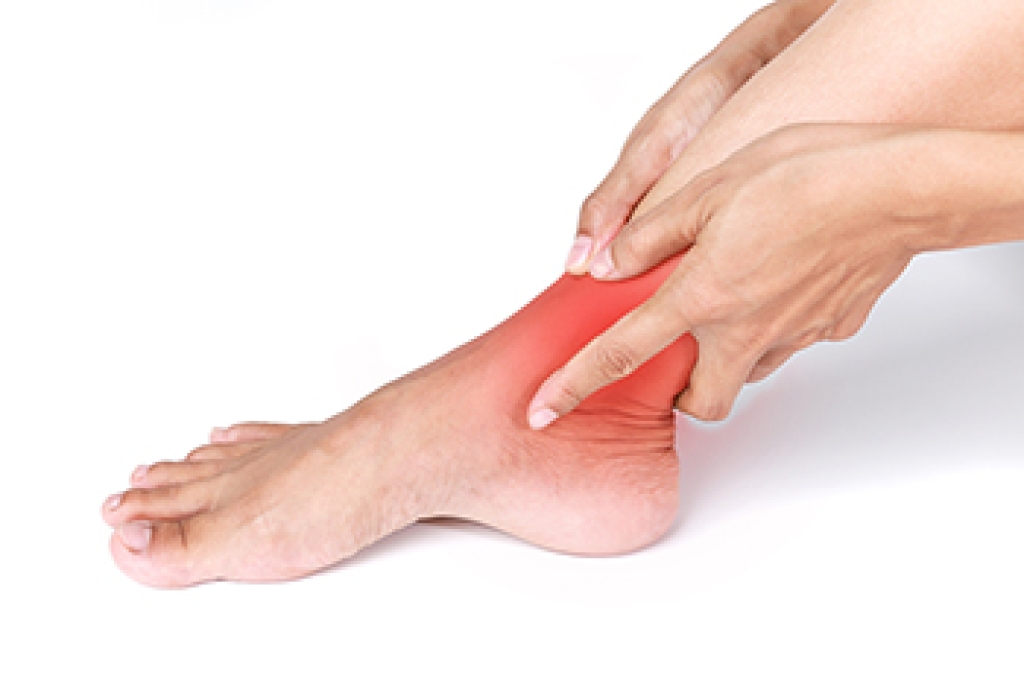
Achilles tendon pain often develops when the thick tendon connecting the calf muscles to the heel becomes irritated or inflamed from overuse, strain, or injury. This condition may cause aching, stiffness, or burning pain along the back of the heel or lower leg. This often happens after exercise or first getting out of bed in the morning. The area may appear swollen or thickened and can feel tender when touched. Running, climbing stairs, or prolonged walking may increase discomfort and make movement more difficult. Common causes include sudden increases in activity, tight calf muscles, wearing improper footwear, and repeated stress on the tendon. A podiatrist can evaluate the severity of the condition and determine whether there is inflammation, small tears, or tendon degeneration. Treatment may include wearing supportive footwear, targeted exercises, and activity modification. If you have Achilles tendon pain, it is suggested that you schedule an appointment with a podiatrist for an accurate diagnose and appropriate treatment plan.

Achilles tendon injuries need immediate attention to avoid future complications. If you have any concerns, contact one of our podiatrists of Carolina Foot & Ankle Specialists. Our doctors can provide the care you need to keep you pain-free and on your feet.

What Is the Achilles Tendon?

The Achilles tendon is a tendon that connects the lower leg muscles and calf to the heel of the foot. It is the strongest tendon in the human body and is essential for making movement possible. Because this tendon is such an integral part of the body, any injuries to it can create immense difficulties and should immediately be presented to a doctor.

What Are the Symptoms of an Achilles Tendon Injury?

There are various types of injuries that can affect the Achilles tendon. The two most common injuries are Achilles tendinitis and ruptures of the tendon.

Achilles Tendinitis Symptoms

  • Inflammation
  • Dull to severe pain
  • Increased blood flow to the tendon
  • Thickening of the tendon

Rupture Symptoms

  • Extreme pain and swelling in the foot
  • Total immobility

Treatment and Prevention

Achilles tendon injuries are diagnosed by a thorough physical evaluation, which can include an MRI. Treatment involves rest, physical therapy, and in some cases, surgery. However, various preventative measures can be taken to avoid these injuries, such as:

  • Thorough stretching of the tendon before and after exercise
  • Strengthening exercises like calf raises, squats, leg curls, leg extensions, leg raises, lunges, and leg presses

If you have any questions please feel free to contact our offices located in Mount Pleasant and Charleston, SC . We offer the newest diagnostic tools and technology to treat your foot and ankle needs.


Read more about The Causes, Types, and Treatments of Achilles Tendon Injuries

Does Abnormal Foot Posture Contribute to Low Back Pain?

Abnormal foot posture can contribute to low back pain because the feet support the body’s overall alignment. When they do not function properly, forces traveling through the legs and spine become uneven, placing added strain on the knees, hips, and lower back. Two common problems are pronation and supination. Pronation occurs when the foot rolls inward excessively, often in people with flat feet, causing the legs to rotate inward and disrupting alignment. Supination can happen when the foot rolls outward, typically in those with high arches, reducing shock absorption and increasing joint stress. Risk factors include prolonged standing, excess weight, and repetitive impact, meaning repeated stress from activities like walking or running over time. This ongoing strain can affect muscles, joints, and the spine. A podiatrist can evaluate foot structure and gait, and recommend orthotics or supportive footwear to improve alignment, relieve pain, and promote better overall function. If you have foot pain, it is suggested that you consult a podiatrist who can offer relief techniques that are right for you.

If you have any concerns about your feet, contact one of our podiatrists from Carolina Foot & Ankle Specialists. Our doctors can provide the care you need to keep you pain-free and on your feet.

Biomechanics in Podiatry

Podiatric biomechanics is a particular sector of specialty podiatry with licensed practitioners who are trained to diagnose and treat conditions affecting the foot, ankle and lower leg. Biomechanics deals with the forces that act against the body, causing an interference with the biological structures. It focuses on the movement of the ankle, the foot and the forces that interact with them.

A History of Biomechanics

  • Biomechanics dates back to the BC era in Egypt where evidence of professional foot care has been recorded.
  • In 1974, biomechanics gained a higher profile from the studies of Merton Root, who claimed that by changing or controlling the forces between the ankle and the foot, corrections or conditions could be implemented to gain strength and coordination in the area.

Modern technological improvements are based on past theories and therapeutic processes that provide a better understanding of podiatric concepts for biomechanics. Computers can provide accurate information about the forces and patterns of the feet and lower legs.

Understanding biomechanics of the feet can help improve and eliminate pain, stopping further stress to the foot.

If you have any questions please feel free to contact our offices located in Mount Pleasant and Charleston, SC . We offer the newest diagnostic and treatment technologies for all your foot and ankle needs.

Read more about The Importance of Biomechanics in Podiatry

Why Toenail Pain Happens and What It Means

Onychalgia, or pain involving the nails, can be surprisingly intense due to the structure of the fingertip or toe tip. The end of the toe contains many sensitive nerve endings, and there is little cushioning between the nail and the underlying bone. In addition, strong connective fibers tightly anchor the nail to the tissue beneath it. Because of this, even slight pressure, swelling, or changes surrounding the nail can lead to significant discomfort, as there is little room for the area to expand without causing pain. Nail pain can come from a variety of causes, including irritation, injury, infection, or changes in how the nail grows. Understanding what is driving the pain helps guide care that focuses on both relief and long-term improvement. Treatment may involve reducing pressure, addressing inflammation, or correcting nail growth patterns. If you are experiencing persistent nail pain or sensitivity, it is suggested that you see a podiatrist for a proper diagnosis and appropriate treatment.

Toe pain can disrupt your daily activities. If you have any concerns, contact one of our podiatrists of Carolina Foot & Ankle Specialists. Our doctors can provide the care you need to keep you pain-free and on your feet.

What Causes Toe Pain?

Most severe toe pain is caused due to a sports injury, trauma from dropping something heavy on the toe, or bumping into something rigid. Other problems can develop over time for various reasons.

Toe pain can be caused by one or more ailments. The most common include:

  • Trauma
  • Sports injury
  • Wearing shoes that are too tight
  • Arthritis
  • Gout
  • Corns and calluses
  • Hammertoe
  • Bunions
  • Blisters
  • Ingrown toenails
  • Sprains
  • Fractures (broken bones)
  • Dislocations

When to See a Podiatrist

  • Severe pain
  • Persistent pain that lasts more than a week
  • Signs of infection
  • Continued swelling
  • Pain that prevents walking

Diagnosis

In many cases the cause of toe pain is obvious, but in others, a podiatrist may want to use more advanced methods to determine the problem. These can range from simple visual inspections and sensation tests to X-rays and MRI scans. Prior medical history, family medical history, and any recent physical traumatic events will all be taken into consideration for a proper diagnosis.

Treatment

Treatments for toe pain and injuries vary and may include shoe inserts, padding, taping, medicines, injections, and in some cases, surgery. If you believe that you have broken a toe, please see a podiatrist as soon as possible.

If you have any questions please contact our offices located in Mount Pleasant and Charleston, SC . We offer the newest diagnostic and treatment technologies for all your foot and ankle needs.

Read more about Toe Pain

We Can Treat Your Foot or Ankle Pain

Foot or ankle pain can negatively affect your day-to-day life and can occur due to several different conditions. Pain can also be an indicator of a more serious underlying condition, which is why you should seek professional help as soon as you notice any abnormalities in your feet.

When Toenail Fungus Becomes More Than Cosmetic

Onychomycosis is the medical term for a fungal infection of the toenails. The infection develops when fungi grow under or within the nail, slowly damaging the nail plate and surrounding tissue. Many people first notice a nail that becomes yellow, white, or brown, and begins to thicken or crumble. While it may seem like only a cosmetic concern, thickened nails can press against shoes and cause pain during daily activities. Nails may become difficult to trim and can trap debris that worsens irritation. The infection may also spread to other nails or nearby skin. Older adults and people with diabetes or circulation problems often experience more severe cases. A podiatrist can confirm the infection and recommend effective treatment options. If you notice thick, discolored, or painful toenails, it is suggested that you see a podiatrist for a proper diagnosis and appropriate treatment.

If left untreated, toenail fungus may spread to other toenails, skin, or even fingernails. If you suspect you have toenail fungus it is important to seek treatment right away. For more information about treatment, contact one of our podiatrists of Carolina Foot & Ankle Specialists. Our doctors can provide the care you need to keep you pain-free and on your feet.

Symptoms

  • Warped or oddly shaped nails
  • Yellowish nails
  • Loose/separated nail
  • Buildup of bits and pieces of nail fragments under the nail
  • Brittle, broken, thickened nail

Treatment

If self-care strategies and over-the-counter medications does not help your fungus, your podiatrist may give you a prescription drug instead. Even if you find relief from your toenail fungus symptoms, you may experience a repeat infection in the future.

Prevention

In order to prevent getting toenail fungus in the future, you should always make sure to wash your feet with soap and water. After washing, it is important to dry your feet thoroughly especially in between the toes. When trimming your toenails, be sure to trim straight across instead of in a rounded shape. It is crucial not to cover up discolored nails with nail polish because that will prevent your nail from being able to “breathe”.

In some cases, surgical procedure may be needed to remove the toenail fungus. Consult with your podiatrist about the best treatment options for your case of toenail fungus.  

If you have any questions please contact our offices located in Mount Pleasant and Charleston, SC . We offer the newest diagnostic and treatment technologies for all your foot and ankle needs.

Read more about Treating Toenail Fungus